Summary
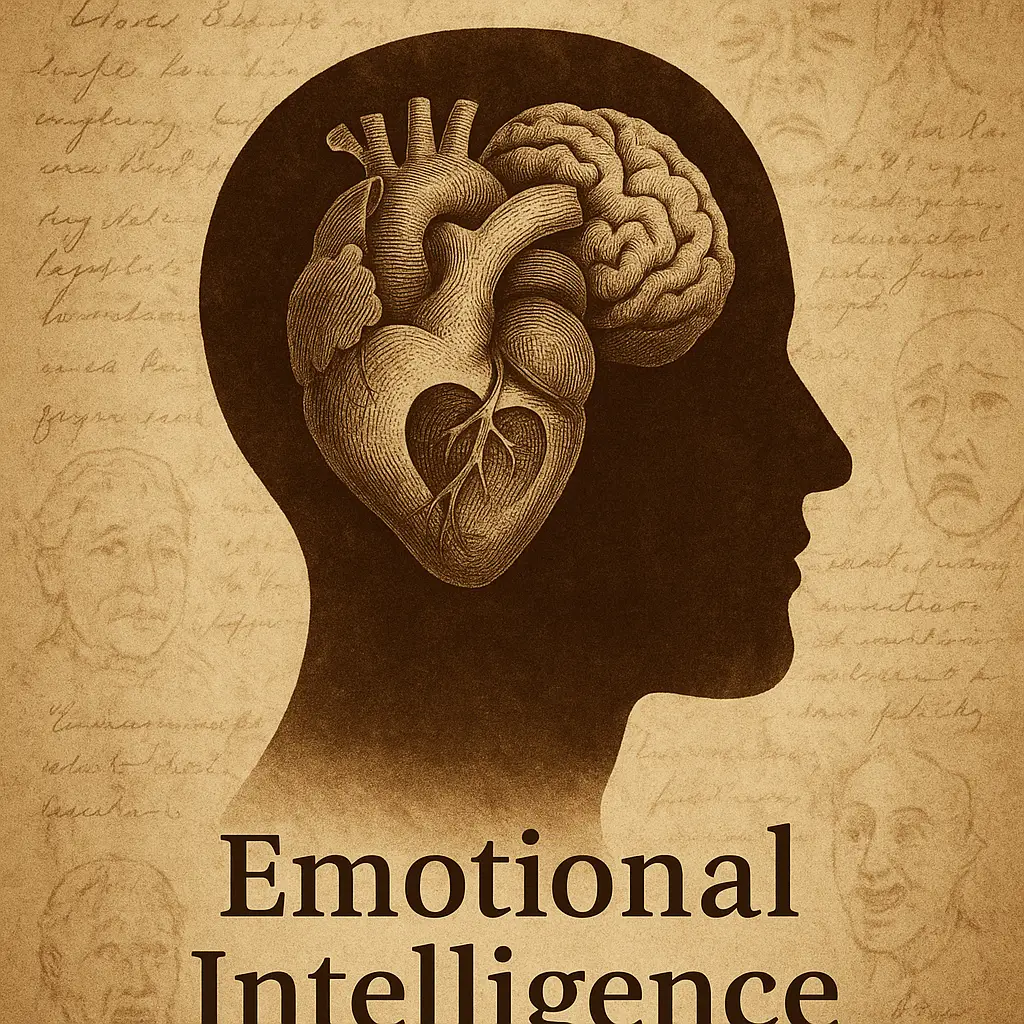
Daniel Goleman’s Emotional Intelligence (1995) reshaped how the world understands success. At a time when IQ and technical skills dominated the conversation, Goleman introduced a groundbreaking thesis: emotional intelligence, self-awareness, self-regulation, empathy, motivation, and social skills, matters more than raw intellect. Drawing on psychology and neuroscience, he demonstrated how EQ drives leadership, relationships, and resilience. His message resonated with readers across fields, from classrooms to corporate offices, because it validated lived experience: intelligence without empathy often fails. Criticized by some as overstated, the book nonetheless created a paradigm shift. Today, Emotional Intelligence remains essential reading for anyone seeking to understand why emotions define human achievement.
Keywords
- Daniel Goleman Emotional Intelligence modern relevance
- Daniel Goleman EQ explained
- Daniel Goleman psychology and neuroscience book
- Emotional Intelligence book analysis 1995
- Emotional Intelligence detailed review
- Emotional Intelligence in workplace success
- impact of EQ on human achievement
- leadership and empathy in Emotional Intelligence
- self-awareness and resilience lessons from Goleman
- why emotional intelligence matters more than IQ
Introduction
When Daniel Goleman published Emotional Intelligence in 1995, he altered the landscape of psychology, education, and business. Until then, intelligence was almost exclusively measured through IQ tests of logic, memory, and analytical ability. Goleman’s thesis was radical: success in life depends less on raw intellect than on the ability to recognize, manage, and navigate emotions, both our own and those of others. Nearly three decades later, his work continues to resonate in classrooms, workplaces, and leadership seminars. In a world of rising conflict and fragile trust, Goleman’s insights feel more urgent than ever.
The Concept of Emotional Intelligence
At its core, Goleman’s argument rests on five components: self-awareness, self-regulation, motivation, empathy, and social skills. Together, these traits define emotional intelligence (EQ). Unlike IQ, which is largely fixed, EQ can be cultivated through practice. This claim democratized intelligence: even those who struggled academically could thrive by mastering emotions and relationships.
The brilliance of Goleman’s framework is its accessibility. Readers intuitively recognize its truths. We have all seen brilliant individuals fail due to arrogance and less “gifted” individuals succeed due to empathy. Goleman gave language to this everyday observation, transforming it into a psychological revolution.
Why It Resonates
The book’s enduring appeal reflects the needs of modern life. In workplaces defined by collaboration, EQ often matters more than technical expertise. Leaders are judged not only by results but also by how they manage conflict, inspire trust, and build relationships. Goleman’s book became a cornerstone of leadership training precisely because it aligned with these new demands.
Beyond business, the book resonates personally. In an age of fractured relationships, rising anxiety, and constant digital distraction, people crave skills for managing emotions. Goleman provides readers with both validation and guidance, reassuring them that emotional struggles are not weaknesses but opportunities for growth.
The Broader Cultural Shift
Emotional Intelligence also reflects a broader cultural transformation. In the late twentieth century, societies began questioning narrow definitions of intelligence and success. Standardized testing was increasingly criticized for ignoring creativity and social skills. Goleman’s work gave scientific legitimacy to what parents, teachers, and employers already knew: emotions matter.
This shift extended beyond psychology into education policy, management, and even diplomacy. Concepts like “empathy” and “self-regulation” entered mainstream discourse, shaping everything from parenting styles to corporate culture.
Critique and Limits
Despite its influence, critics argue that Goleman’s book overstates the scientific evidence. Emotional intelligence, they claim, is more challenging to measure than IQ, and its predictive power may not be as strong as Goleman suggested. Others worry that corporations use EQ discourse superficially, demanding employees show empathy while maintaining exploitative practices.
Yet even these critiques underline the book’s importance. By provoking debate, Goleman shifted how we think about human capability. Whether perfectly measured or not, EQ has become part of the cultural fabric.
Emotional Intelligence in the 21st Century
Today, Goleman’s insights feel prophetic. In the digital age, where online anonymity breeds cruelty and social media amplifies outrage, the ability to regulate emotions and practice empathy is no longer optional, it is survival. Leaders who lack EQ fuel polarization; individuals who lack EQ struggle with connection. Goleman’s work is not just psychology but a survival guide for the fractured emotional landscape of our time.
Conclusion, The New Measure of Success
Emotional Intelligence remains one of the most transformative books of the modern era. It reframed intelligence, democratized success, and elevated empathy to the level of necessity. In a culture obsessed with power and productivity, Goleman reminds us that humanity is not sustained by intellect alone. Our future depends on how we feel, how we connect, and how we care.
How to Cite
Ahmad, Kamaruzzaman Bustamam. (2025). Emotional Intelligence: Daniel Goleman’s Revolution in Human Success. Banda Aceh: KBA13 Insight.
https://www.kba13.com/emotional-intelligence-daniel-goleman-review/
Professor of Anthropology of Religion at UIN Ar-Raniry Banda Aceh. He writes on geopolitics, Southeast Asian security and governance, Islam in the Malay world, and the future of knowledge.