Category: Geopolitics
-
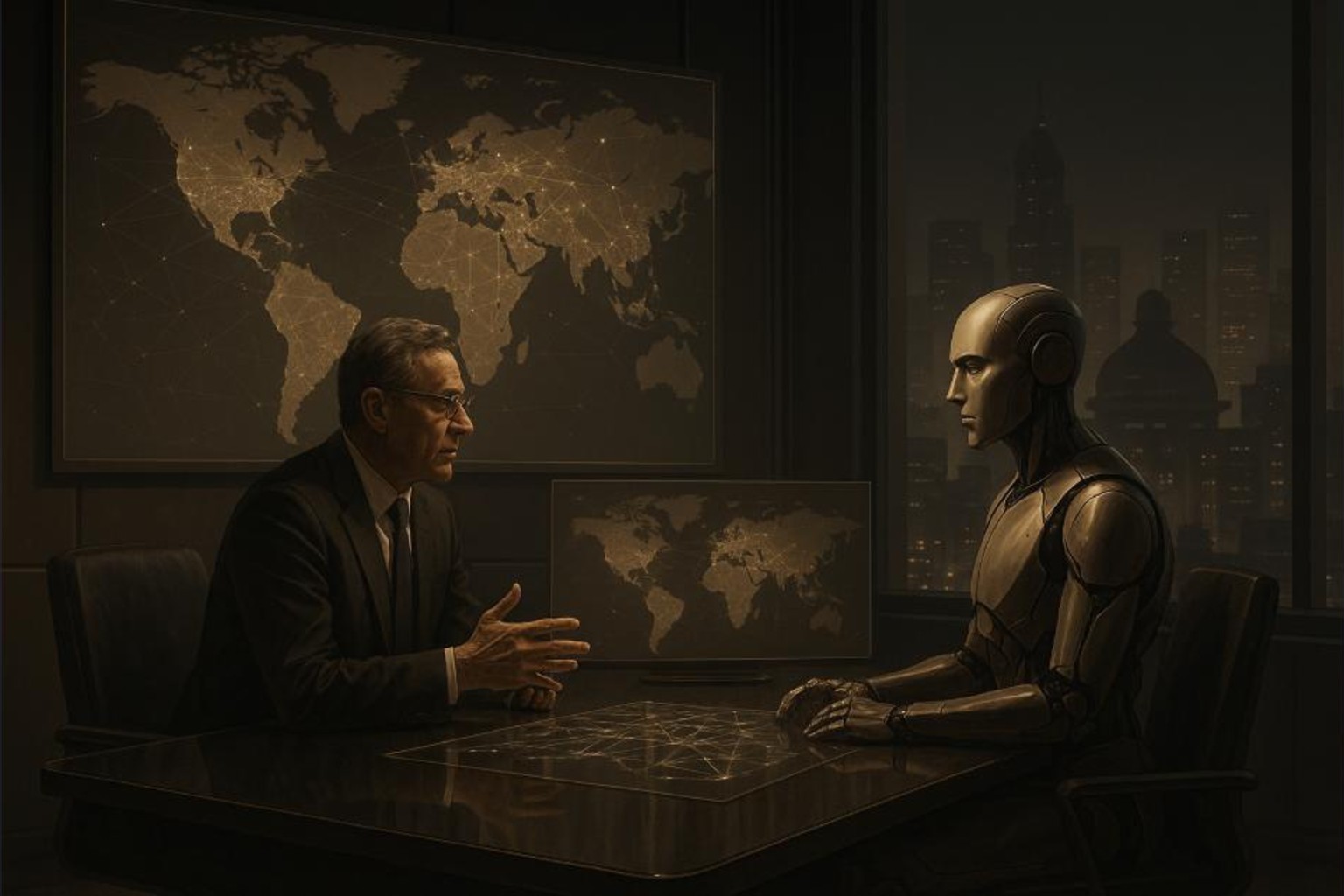
Non-State Actors 2045: The New Power of the Digital World in the Era of AI and Humanoids
By 2045, nation-states are no longer the sole rulers. Self-organizing Non-State Actors — fused with AI and humanoids — shape global opinion, regulate technology, and rewrite the moral order of a networked world.
-
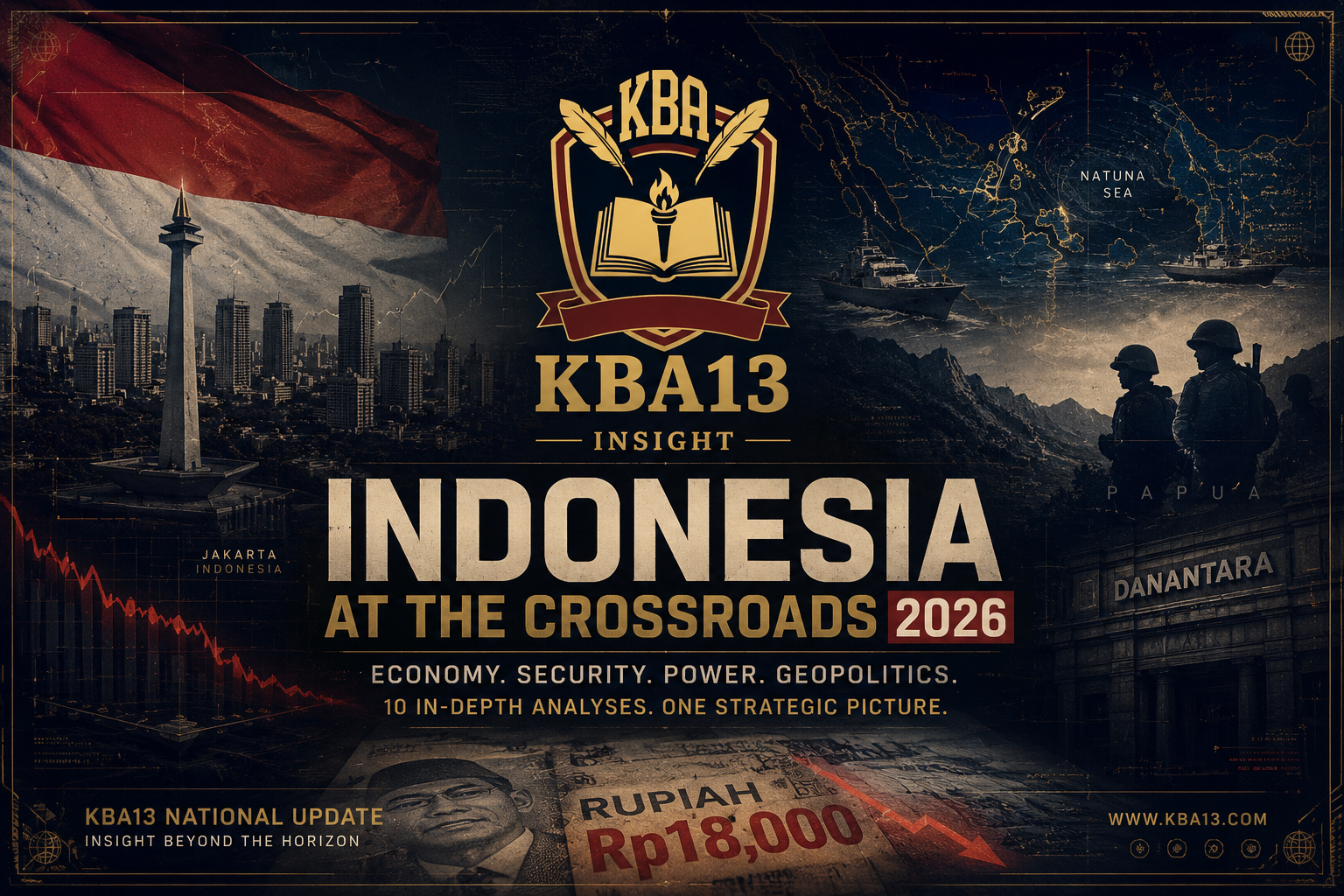
Indonesia at the Crossroads 2026: Rupiah Crisis, Prabowo’s Power Architecture, Papua Conflict, and the Future of the Republic
Indonesia enters 2026 at a decisive historical moment where economic pressure, institutional transformation, security challenges, and geopolitical competition converge. This KBA13 National Update examines Indonesia beyond daily headlines by mapping deeper structural signals behind the rupiah’s pressure, fiscal vulnerabilities, governance challenges, corruption risks, and the transformation of national security institutions. The report explores the evolving…
-
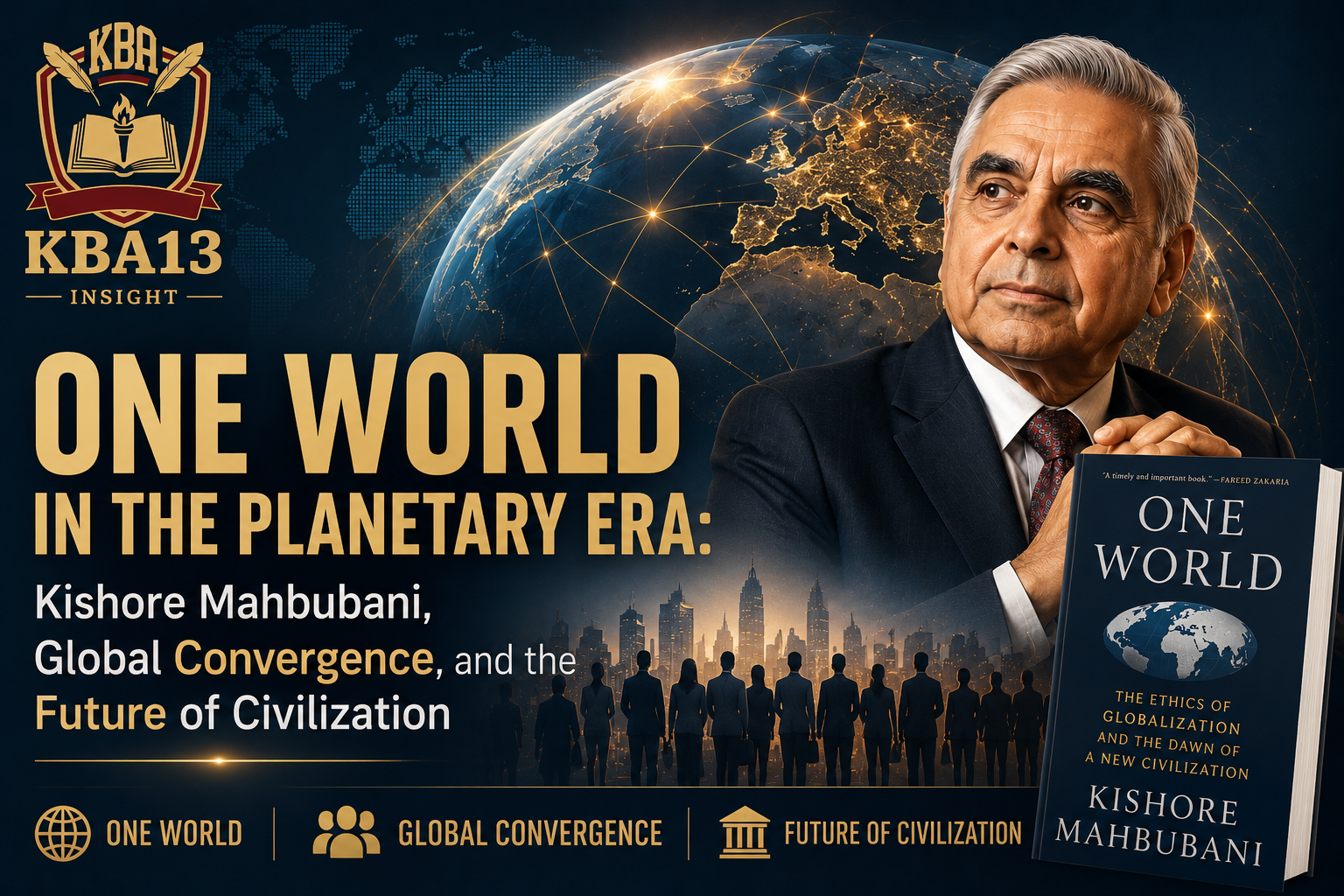
One World in the Planetary Era: Kishore Mahbubani, Global Convergence, and the Future of Civilization
The 21st century is no longer defined merely by globalization but by the emergence of a planetary civilization. In this essay, I explore Kishore Mahbubani’s concept of “One World” and the logic of global convergence through geopolitics, technology, economics, and human aspiration. Drawing from The Great Convergence, Has the West Lost It?, and Has China…
-
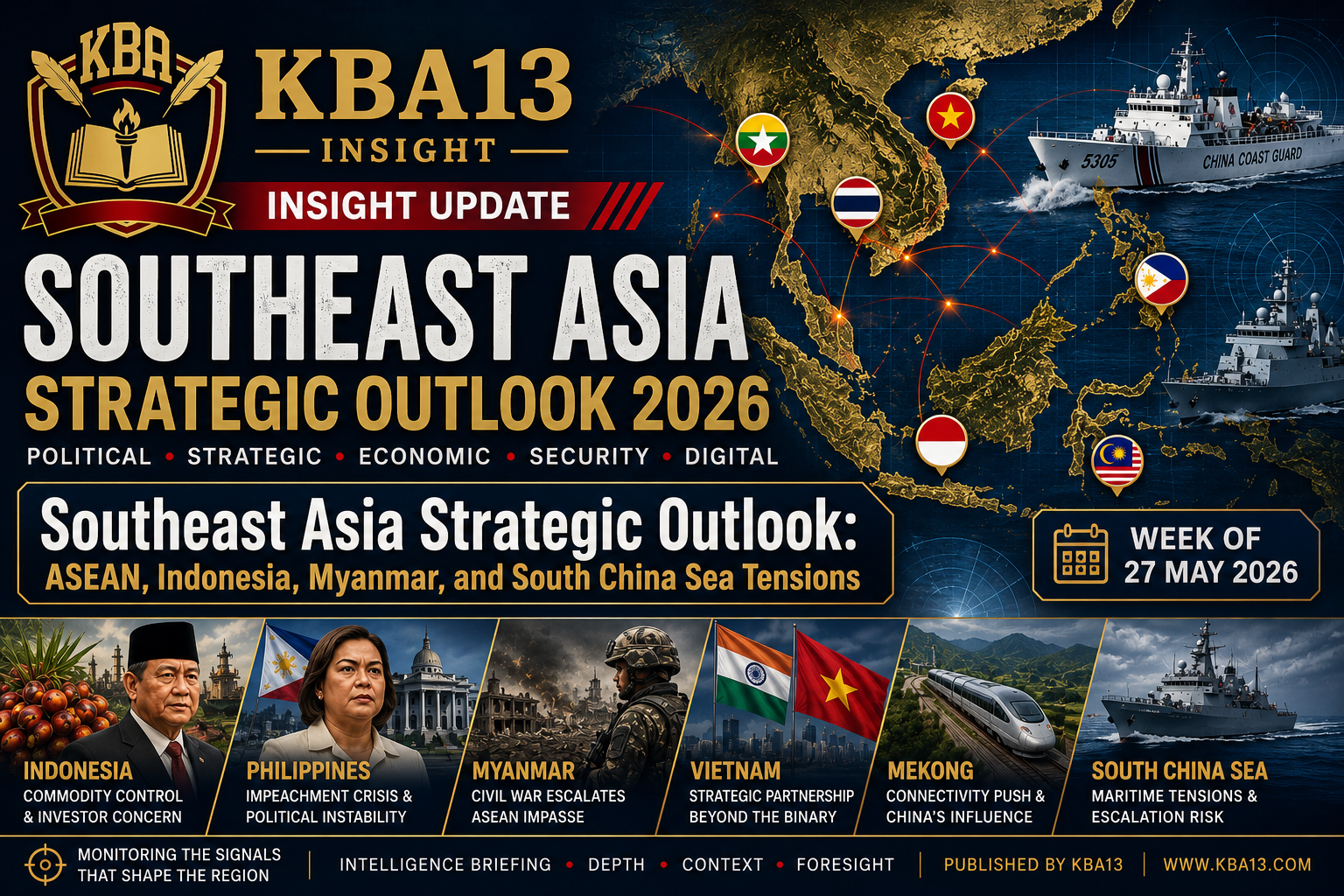
Southeast Asia Strategic Outlook 2026: ASEAN, Indonesia, Myanmar, and South China Sea Tensions
Southeast Asia enters late May 2026 under mounting geopolitical and economic pressure. ASEAN faces simultaneous crises involving energy security, Myanmar’s civil war, South China Sea tensions, and growing uncertainty in global trade architecture. Indonesia’s new state-controlled commodity export policy has shaken investor confidence, while the Philippines struggles with an escalating constitutional crisis involving the Duterte…
-
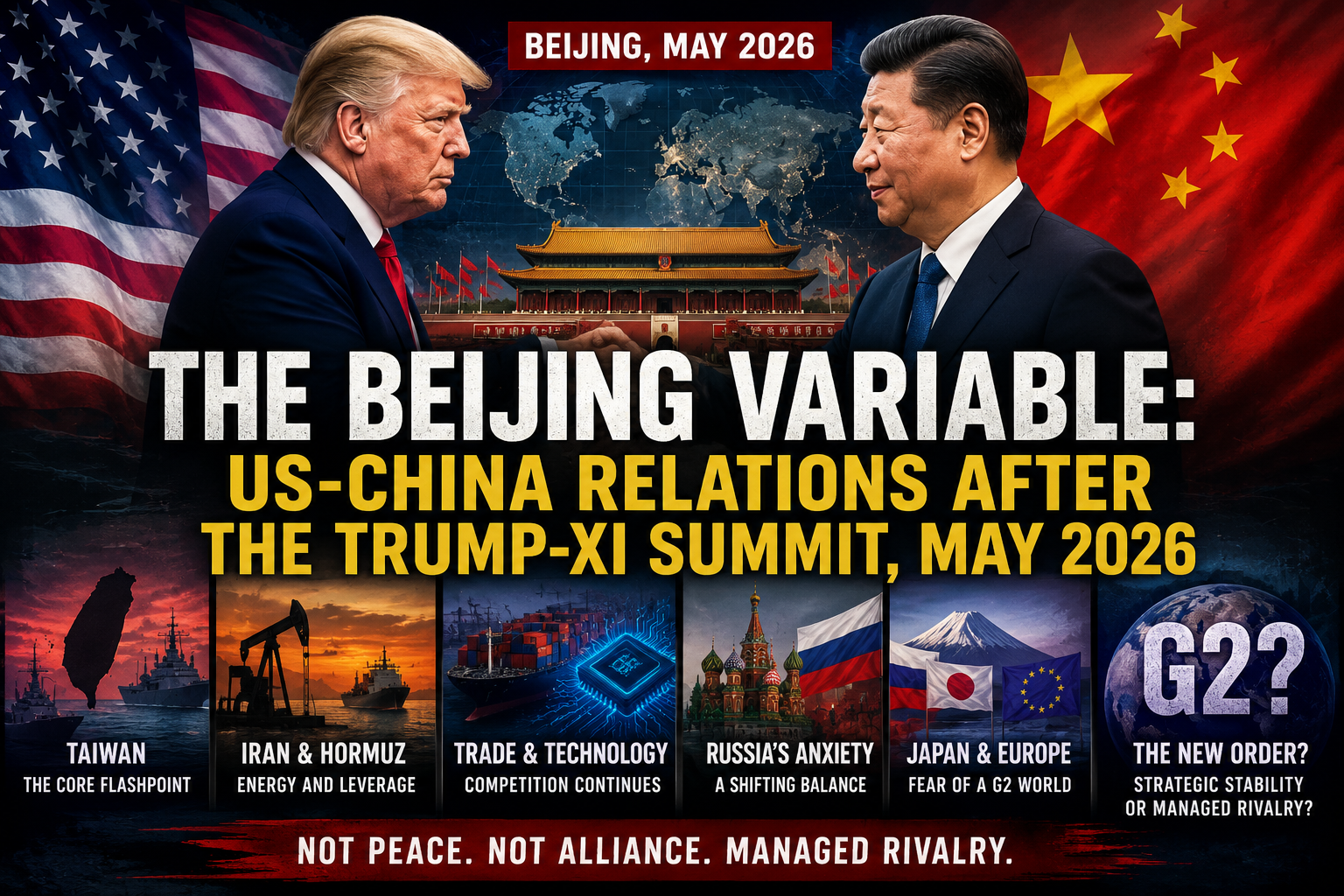
The Beijing Variable: A Geopolitical Analysis of US-China Relations After the Trump-Xi Summit, May 2026
The May 2026 Trump-Xi summit in Beijing was not merely a diplomatic encounter. It was a strategic test of power, leverage, and necessity between the world’s two most consequential states. Behind the ceremonial warmth lay unresolved tensions over Taiwan, Iran, energy security, trade, technology, Russia, Japan, Europe, and the future of global order. This essay…
-
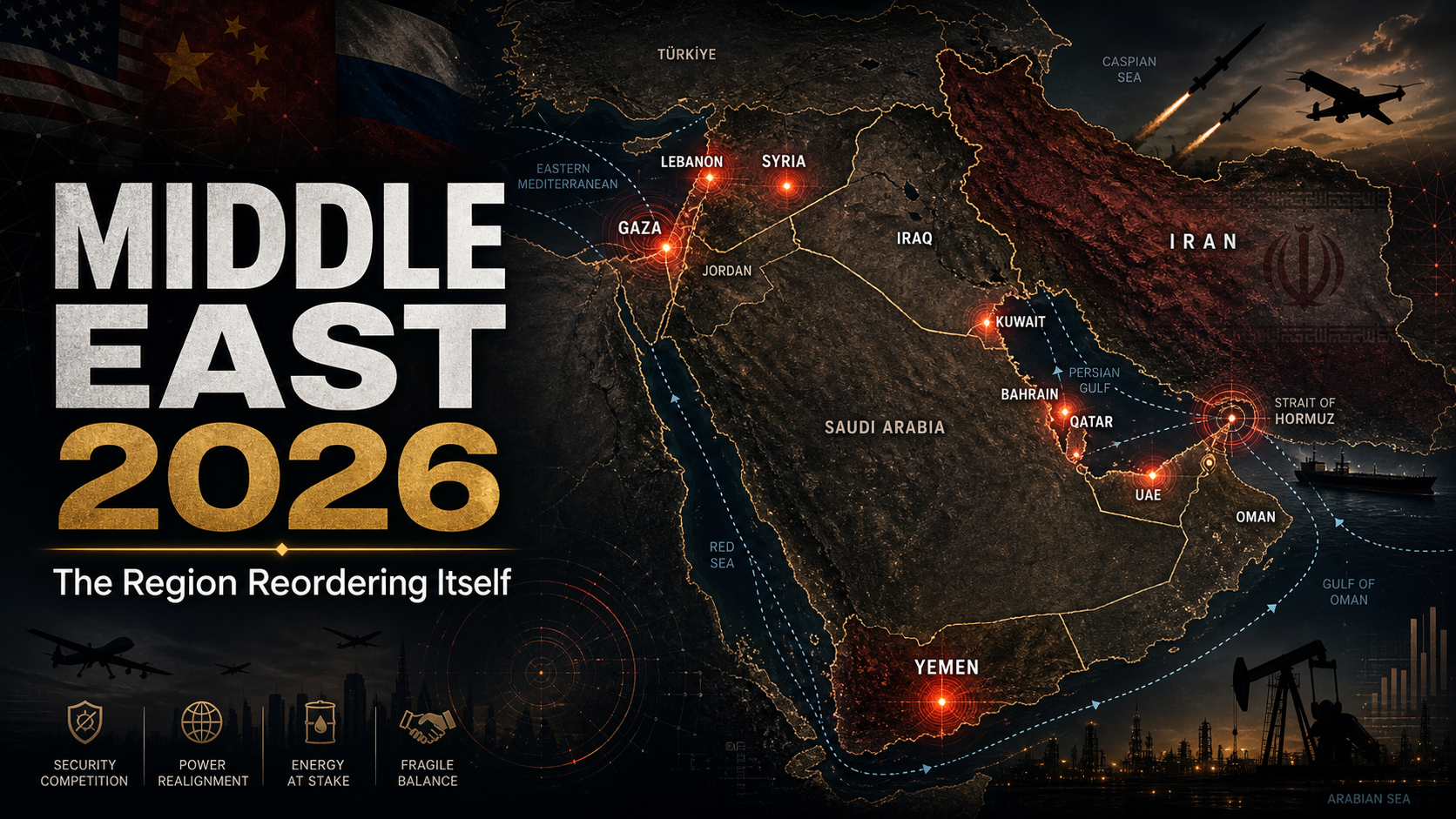
Geopolitics and Security in the Middle East 2026: How Iran, Gaza, the Gulf, and Global Powers Are Rewriting the Regional Order
The Middle East in 2026 is no longer governed by the old regional order built on American security guarantees, Iranian containment, Israeli deterrence, and frozen Palestinian diplomacy. This essay examines a region reorganizing itself through war, proxy fragmentation, energy disruption, maritime insecurity, and great-power rivalry. From Iran’s crisis and Gaza’s unresolved catastrophe to Lebanon, Syria,…
-

Countering Polarisation in Asia: Safeguarding Humanity, Religion, and the Future of Coexistence
This essay explores the deep structure of polarisation in Asia, linking geopolitics, religion, safeguarding, and child protection. It argues that polarisation is not merely division, but a systemic rupture that threatens coexistence, demanding a new ethical and conceptual baseline.
-

China’s Economic Statecraft in ASEAN: Trade, BRI, and Strategic Leverage
China’s economic engagement with ASEAN has evolved into a sophisticated system of strategic leverage. Trade dominance, infrastructure expansion through the Belt and Road Initiative, currency maneuvering, and diaspora networks collectively form Beijing’s economic statecraft toolkit. While ASEAN benefits from market access and infrastructure financing, structural asymmetry creates vulnerabilities. This article examines the geopolitical implications of…
-
US–China Trade Tensions and Indonesia’s Strategy under Prabowo Subianto
The escalating trade tensions between the United States and China are reshaping global politics and economics. For Indonesia under President Prabowo Subianto, this rivalry presents both risks and opportunities. This article explores how Prabowo’s sovereignty-driven vision seeks to balance economic growth, military strength, and diplomatic independence in the face of a new Cold War dynamic…