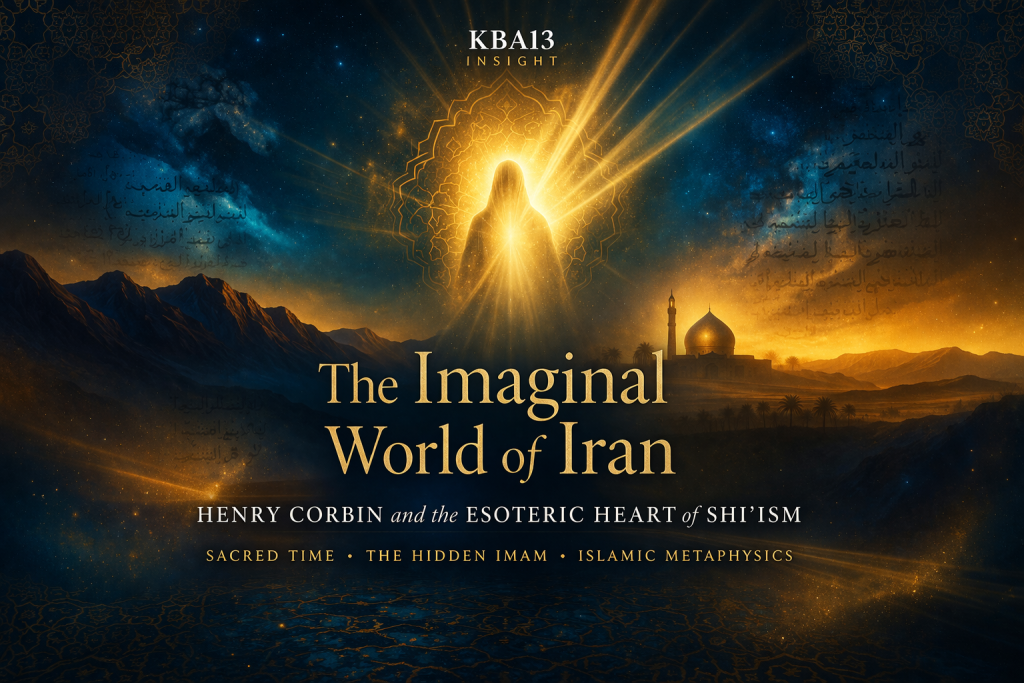
This article explores the forgotten metaphysical dimension of Islam through the philosophy of Henry Corbin and the...
Islamic Studies & Thought
Islamic Studies & Thought focuses on the intellectual tradition of Islam, Shariah, and its contributions to science and civilization. It links Acehnese and Indonesian Islamic scholarship to wider global conversations.

Modern interdisciplinarity promises integration, yet silently reproduces fragmentation by remaining trapped within an immanent epistemic frame. This...
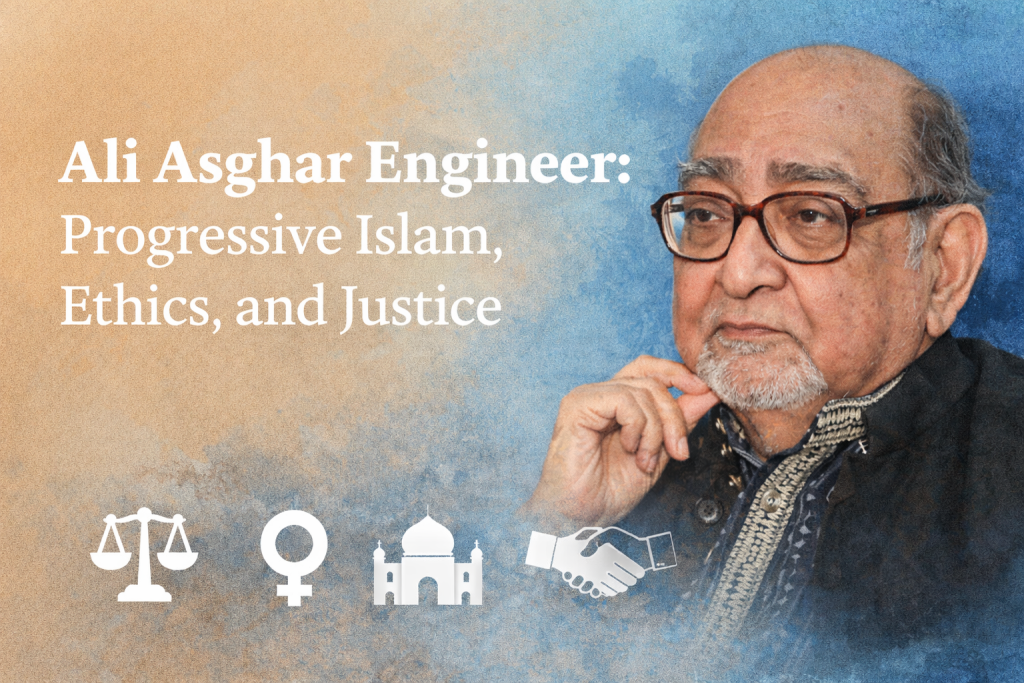
Ali Asghar Engineer was not a celebrity intellectual, yet his ideas reshaped discussions on Progressive Islam, ethics,...
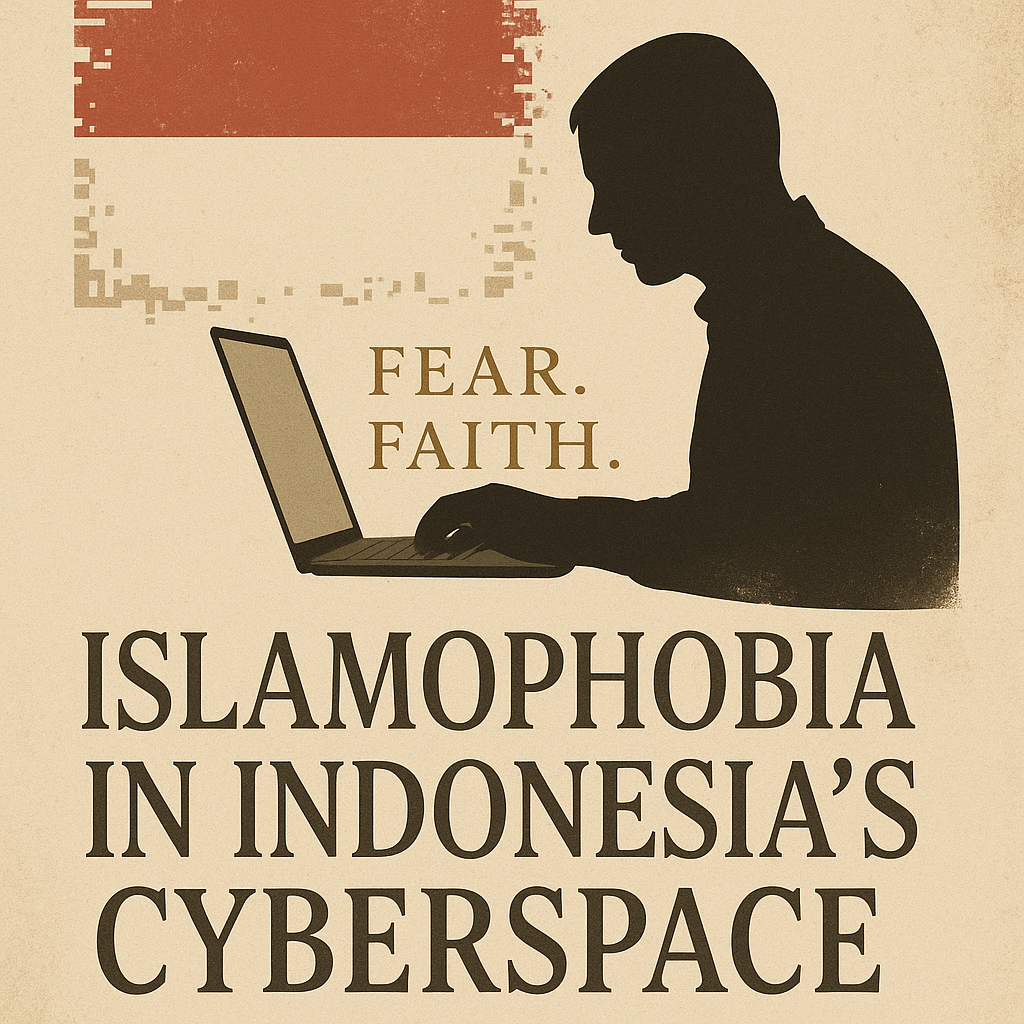
Through virtual ethnography, Prof. Kamaruzzaman Bustamam Ahmad unpacks how Islamophobia has evolved in Indonesia’s cyberspace—from the New...
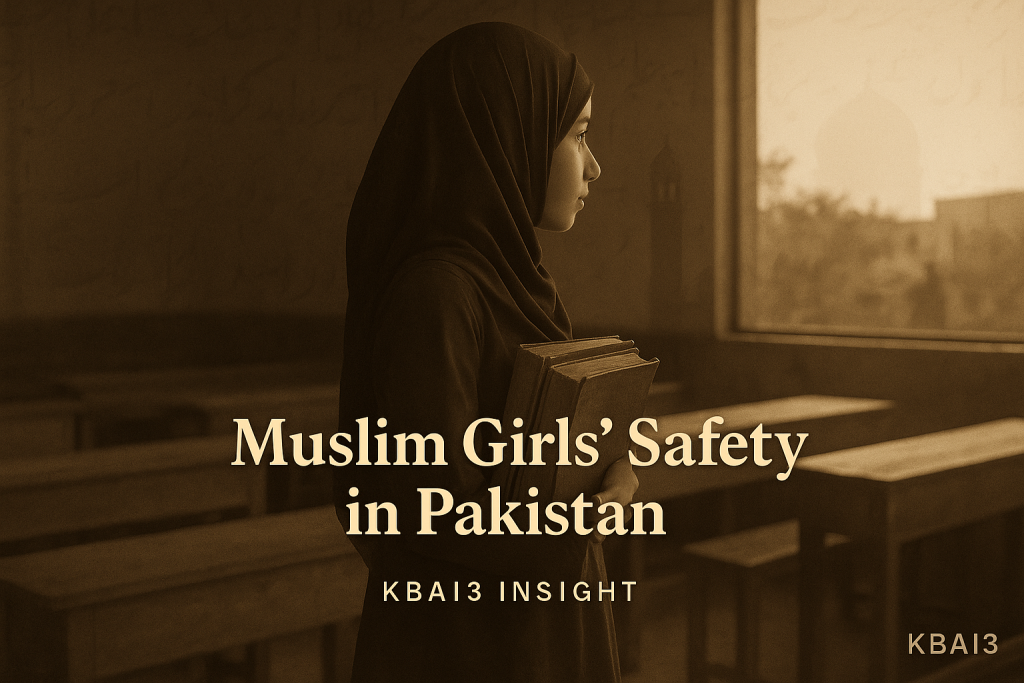
Muslim girls in Pakistan live within a landscape shaped by fear, social pressure, and systemic inequalities. Harassment,...
Women have played a pivotal role in Tablighi Jamaat, reviving faith and empowering communities through dawah and...
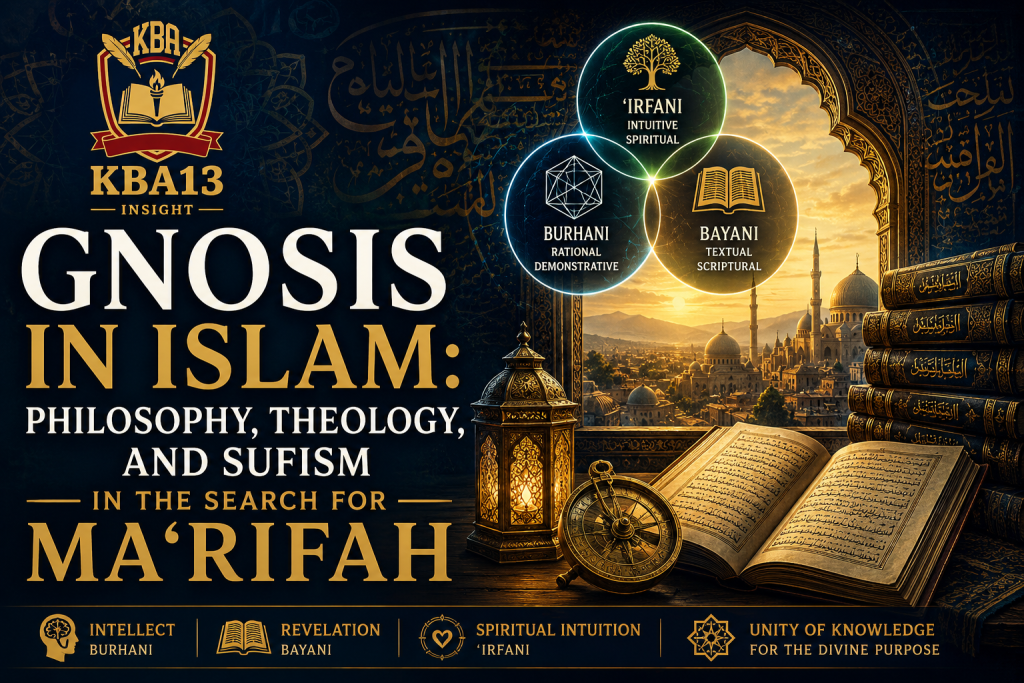
This essay explores the concept of gnosis (ma‘rifah) in Islam, understood as the highest form of knowledge...