
KBA13 Insight · AI & Technology · Digital Society & AI
Can Artificial Intelligence Replace Humans? Everyday AI, Blockchain, and the Future of Humanity
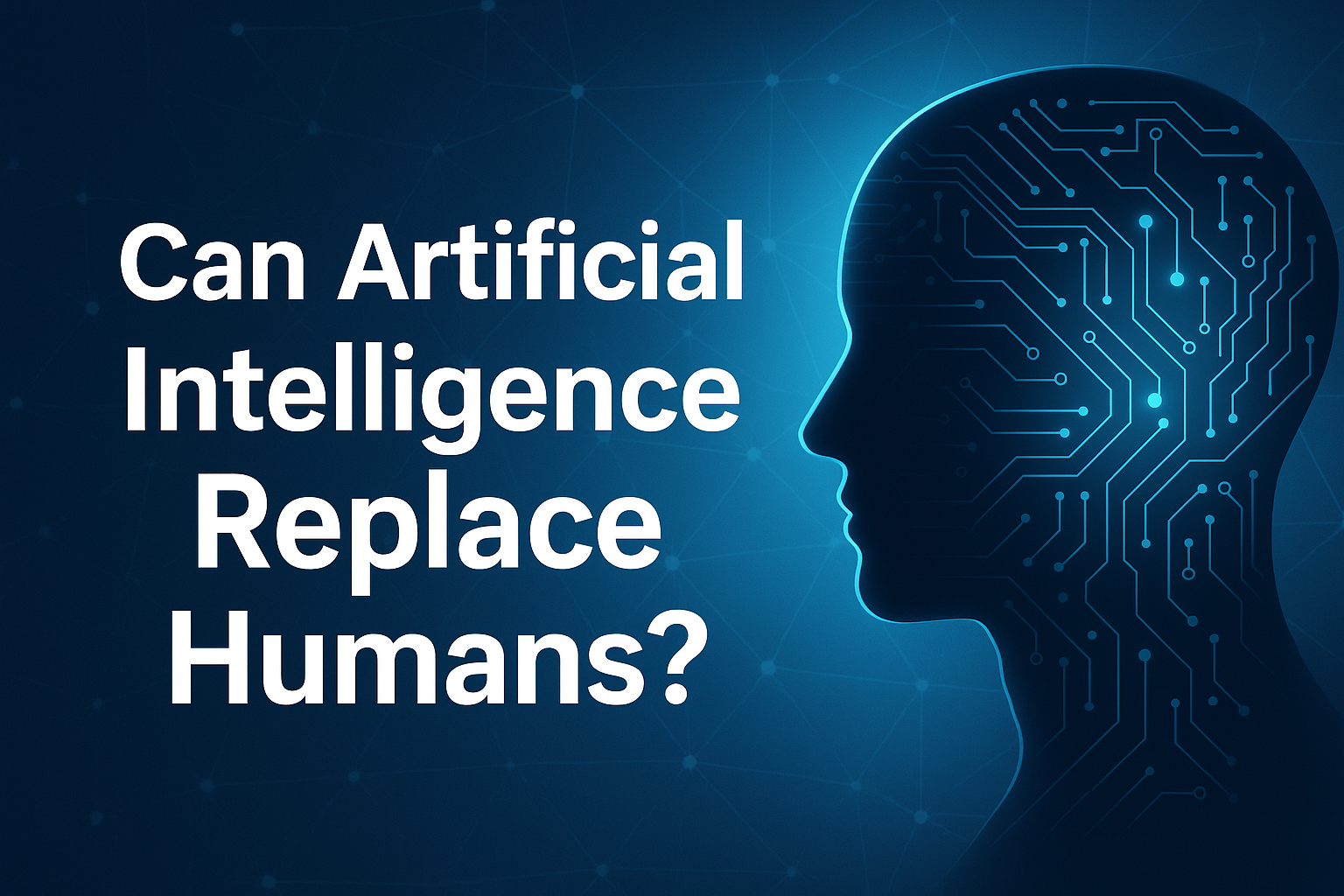
Artificial intelligence is changing how we live, work, and think. From everyday AI assistants to blockchain-powered systems, the question arises: can AI replace humans, or will it help us evolve? This article explores daily uses, development, and the future of AI and blockchain integration.
Summary
Artificial intelligence is changing how we live, work, and think. From everyday AI assistants to blockchain-powered systems, the question arises: can AI replace humans, or will it help us evolve? This article explores daily uses, development, and the future of AI and blockchain integration.
Keywords
- AI and blockchain integration
- AI in everyday life
- artificial intelligence development process
- artificial intelligence replace humans
- blockchain conference culture
- ethnography of artificial intelligence
- future of artificial intelligence
- future of humanity and AI
- human vs machine intelligence
Introduction
Artificial intelligence (AI) is no longer just a futuristic concept—it is rapidly transforming how we understand human consciousness, technology, and our place in the world. From chatbots to virtual assistants, AI is learning to mimic human behavior and decision-making processes at unprecedented levels. This shift is not just about convenience; it raises fundamental questions about whether humans will remain the dominant species on Earth or whether machines will surpass us in critical domains.
The rise of AI has already changed how we communicate, work, and live. What used to be a luxury available only to corporations and wealthy individuals is now accessible to almost anyone with a smartphone or computer. But as AI continues to expand, one question remains at the center of debate: Will artificial intelligence replace humans, or will it complement us in shaping the future?
In this article, we will explore how AI is used in daily life, how it is developed, and whether it has the potential to replace humans. We will also examine ethnographic case studies of AI workshops and blockchain conferences, before considering how AI and blockchain may work together to redefine trust, security, and efficiency in the digital age.
How Is Artificial Intelligence Used in Everyday Life?
Artificial intelligence has quietly woven itself into the fabric of our daily routines. Today, AI is not limited to research labs—it powers the devices and applications we rely on to navigate modern life.
AI-powered personal assistants like Siri, Alexa, and Google Assistant manage our schedules, answer questions, and provide real-time reminders. These tools simplify our routines by booking appointments, organizing social calendars, or reminding us to take medication. AI also supports health applications that track diet and exercise, ensuring better lifestyle management.
In transportation, AI powers navigation apps that predict traffic patterns, recommend faster routes, and even support autonomous driving technology. At home, AI-based smart devices regulate lighting, heating, and energy consumption, making daily living more comfortable and sustainable.
Even in entertainment, AI curates personalized playlists, recommends movies, and generates tailored news feeds. These examples show how artificial intelligence is not just a tool but an embedded force shaping our habits, choices, and interactions.
Can Artificial Intelligence Replace Humans?
The question of whether AI can replace humans is both practical and philosophical. On a technical level, AI already performs tasks that once required human expertise. Algorithms analyze massive datasets faster than human analysts, while automated systems process transactions, detect fraud, and manage logistics. In some sectors, AI has even outperformed humans—such as in medical imaging, where algorithms can detect tumors more accurately than doctors.
However, AI’s strengths lie in speed, scale, and consistency—not creativity, empathy, or ethical reasoning. While machines can scan millions of documents within seconds, they cannot replicate the intuition of a skilled lawyer or the bedside manner of a caring doctor.
In lower-level roles, such as retail or customer service, AI systems like chatbots and self-checkout machines are already replacing human workers. Yet many consumers still prefer human interaction, highlighting that technology does not always satisfy human social needs.
Thus, while AI may replace humans in specific roles, it is more likely to redefine work by shifting human contributions toward creativity, strategy, and ethical oversight. Instead of viewing AI as a replacement, we should consider it a collaborator in building a more efficient society.
How Is Artificial Intelligence Developed?
At its core, AI is built on algorithms trained with vast amounts of data. The process begins by collecting and categorizing data—whether it’s user clicks on a website, medical scans, or financial transactions. Machine learning models then analyze this data to recognize patterns and predict outcomes.
For example, a recommendation system on Netflix learns from your past viewing history to suggest new shows. Similarly, predictive algorithms in healthcare anticipate disease risks based on patient records and genetic markers.
Unlike traditional software, AI systems are designed to “learn” and improve over time. This is possible because of neural networks—mathematical systems inspired by the human brain’s structure. Deep learning techniques allow these networks to handle increasingly complex tasks, such as natural language processing (NLP) and computer vision.
The key difference between human learning and AI development is adaptability. Humans rely on experience, emotion, and cultural context, while AI depends solely on data inputs. This distinction makes AI powerful in logical domains but limited in understanding nuanced human behavior.
Ethnography of an Artificial Intelligence Workshop
To understand how AI is studied and developed in real-world contexts, we can turn to ethnographic observation. Imagine a workshop where teams of researchers, students, and practitioners gather to explore artificial intelligence applications.
Participants break into small groups, each tackling a specific problem relevant to their expertise—whether healthcare, finance, or education. They brainstorm ideas using whiteboards, sticky notes, and digital tools, blending creativity with technical analysis.
After hours of collaboration, groups present their findings in essays or prototype solutions. A panel of judges, often consisting of AI experts with advanced degrees, critiques their work and provides feedback. This process reflects how knowledge is shared and validated within the AI community.
Beyond technical exercises, these workshops reveal the cultural and social dimensions of AI development. Collaboration, competition, and mentorship create an environment where ideas flourish and evolve. Ethnography allows us to see AI not only as technology but also as a human-centered practice shaped by community, culture, and collaboration.
Ethnography of a Blockchain Conference
Blockchain technology, like AI, has become a major focus of global innovation. At a typical blockchain conference, the atmosphere is buzzing with energy. Attendees sit in auditoriums listening to keynote speakers, while breakout sessions explore technical workshops and real-world case studies.
Networking plays a central role. Participants exchange ideas, business cards, and even digital tokens via smartphone apps. Some conferences experiment with haptic devices that simulate the physical sensation of a handshake, merging digital trust with human interaction.
Beyond lectures, social gatherings foster informal collaboration. Parties and networking events provide attendees with the opportunity to discuss emerging trends, debate regulations, and envision how blockchain will transform industries. Smartphones and social media extend these conversations online, creating a global dialogue.
From an ethnographic perspective, these conferences highlight blockchain as not only a technical innovation but also a social movement. It brings together developers, investors, regulators, and enthusiasts who collectively shape its future trajectory.
The Future of Blockchain and AI Working Together
The intersection of artificial intelligence and blockchain is one of the most promising frontiers in technology. AI excels at analyzing data and making predictions, while blockchain ensures transparency, trust, and decentralization. When combined, they offer powerful synergies.
For instance, AI can detect fraudulent activity within blockchain transactions by recognizing suspicious patterns. At the same time, blockchain can verify AI-generated outputs, making them tamper-proof and auditable. This partnership enhances security in key sectors such as finance, supply chain management, and healthcare.
AI could also automate blockchain processes, such as confirming smart contract execution or auditing financial records. By doing so, it strengthens trust while reducing human error and corruption.
The long-term potential of AI-blockchain integration lies in creating a self-regulating digital ecosystem, where AI continuously improves efficiency and blockchain guarantees accountability. Together, they could redefine how trust and value are exchanged in the digital economy.
Conclusion
Artificial intelligence is reshaping human consciousness, communication, and creativity. It is embedded in our homes, workplaces, and social lives, raising profound questions about whether it will ultimately replace or complement humanity.
Through ethnographic insights, we see that AI and blockchain are not only technical systems but also cultural phenomena shaped by collaboration, innovation, and shared values. Their integration promises a future where efficiency, security, and transparency become the foundation of global digital interactions.
As we look ahead, one truth becomes clear: artificial intelligence is not just about machines—it is about how humanity chooses to adapt, collaborate, and coexist with technology in shaping the world to come.
How to Cite
Ahmad, Kamaruzzaman Bustamam. (2024). Can Artificial Intelligence Replace Humans? Everyday AI, Blockchain, and the Future of Humanity. Banda Aceh: KBA13 Insight.
https://www.kba13.com/what-you-need-to-know-about-living-with-artificial-intelligence/
Professor of Anthropology of Religion at UIN Ar-Raniry Banda Aceh. He writes on geopolitics, Southeast Asian security and governance, Islam in the Malay world, and the future of knowledge.
About The Author

Rekomendasi Bacaan KBA13 INSIGHT
Jika tulisan ini bermanfaat, dukung jurnal ini dengan mencari bukunya melalui tautan berikut:
- Buku-buku Kamaruzzaman Bustamam Ahmad di Periplus
- Koleksi Islamic Studies di Periplus
- Koleksi Geopolitics & Politik Internasional di Periplus
- Cari buku & perangkat baca di Shopee
- Cari di Blibli
Daftar lengkap: Rekomendasi Buku, Alat Tulis & Layanan. Tautan di atas adalah tautan afiliasi — KBA13 INSIGHT dapat memperoleh komisi kecil tanpa biaya tambahan bagi Anda.
Artikel Terkait
 The Age of Compute Power: How AI, Semiconductor Geopolitics, and Chip Wars Are Reshaping Global Power
 Google and the New Theology of the Internet: Data, Power, AI, and the Crisis of Human Freedom
 The Culture of Social Experimentation in Digital Life: Virtual Philanthropy and the Price of Generosity
 Transhumanism and the Future of Humanity: Can Technology Save or Redesign the Human Condition?
 Ray Kurzweil dan Masa Depan Peradaban: Evolusi Kecerdasan dari Atom hingga Singularitas
Leave a Reply