
Category: Book Review
-
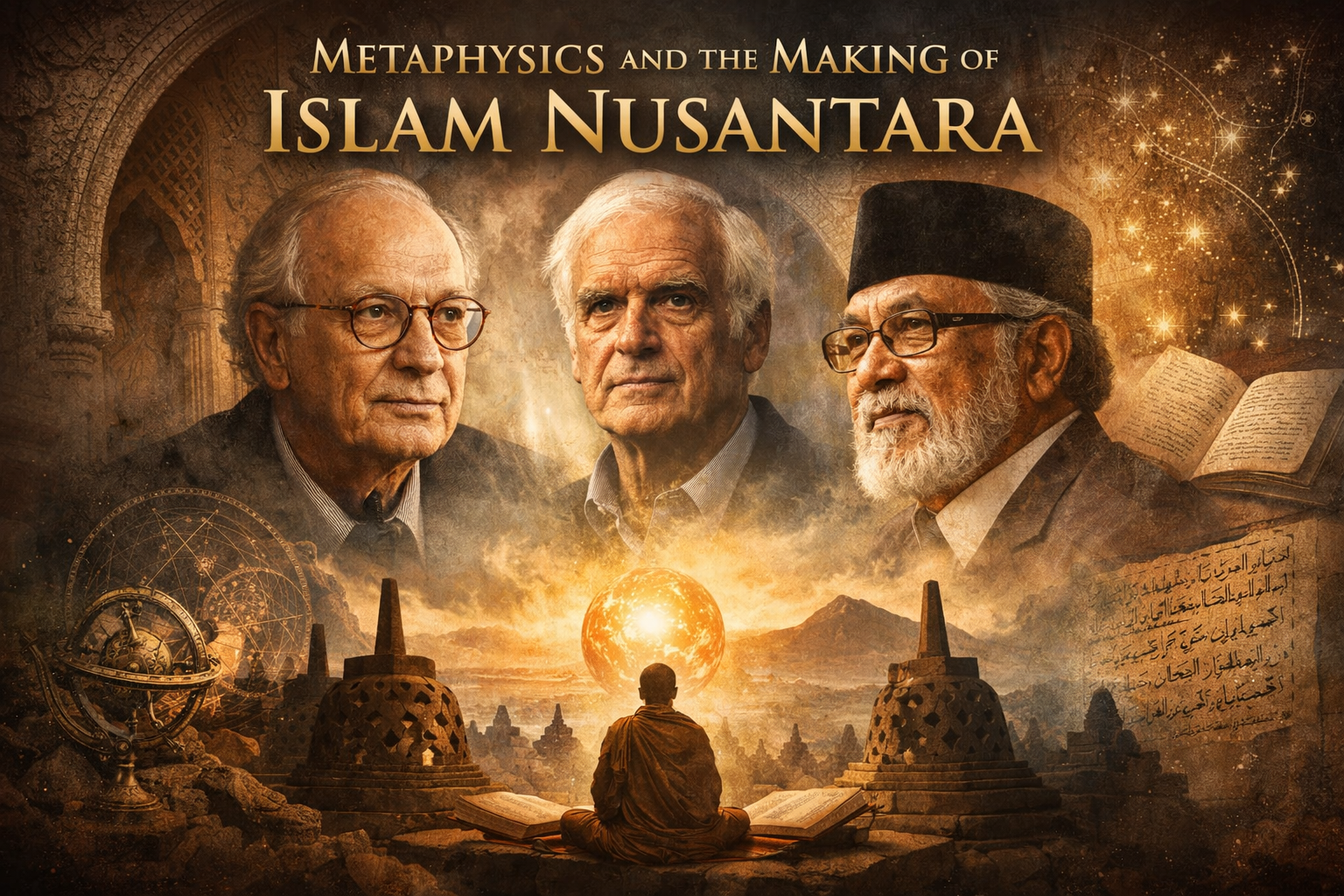
Metaphysics and the Making of Islam Nusantara | Corbin, Taylor, al-Attas
Islam Nusantara is often discussed as a cultural or sociological phenomenon. This essay approaches it differently— as a metaphysical and intellectual formation shaped by imagination, meaning, and moral order. Through a critical engagement with Henry Corbin, Charles Taylor, and Syed Muhammad Naquib al-Attas, the essay explores how Islam Nusantara negotiates modernity without losing metaphysical depth.…
-

Mundus Imaginalis and Henry Corbin: Imaginal Reality Beyond Modern Ontology
Henry Corbin’s concept of mundus imaginalis challenges modern assumptions about reality, imagination, and knowledge. This essay explores imaginal ontology as a real mode of being beyond representation, psychology, and symbolic reduction.
-
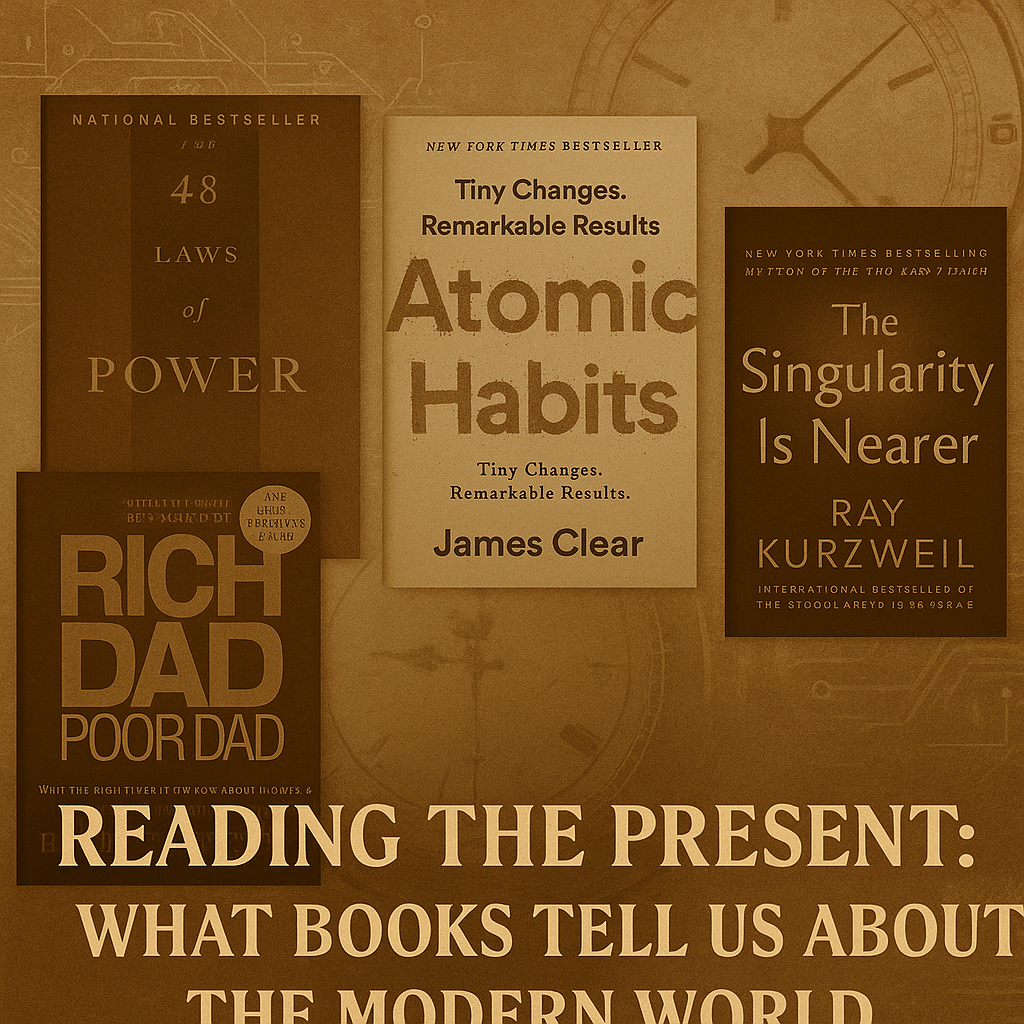
Reading the Present: What Today’s Bestselling Books Reveal About Our World
The books we choose to read are more than entertainment—they are cultural mirrors. Reading the Present: What Books Tell Us About the Modern World explores how today’s most influential bestsellers, from Robert Greene’s The 48 Laws of Power to James Clear’s Atomic Habits, Robert Kiyosaki’s Rich Dad Poor Dad, and Ray Kurzweil’s The Singularity Is…
-

Atomic Habits: James Clear and the Science of Small Wins
James Clear’s Atomic Habits (2018) distills behavior change into a clear architecture: tiny, repeated actions that compound into transformative results. Rather than chasing distant goals, Clear urges readers to build systems—habits that are obvious, attractive, easy, and satisfying. Identity is central: we become what we repeatedly do. By translating research in psychology and neuroscience into…
-
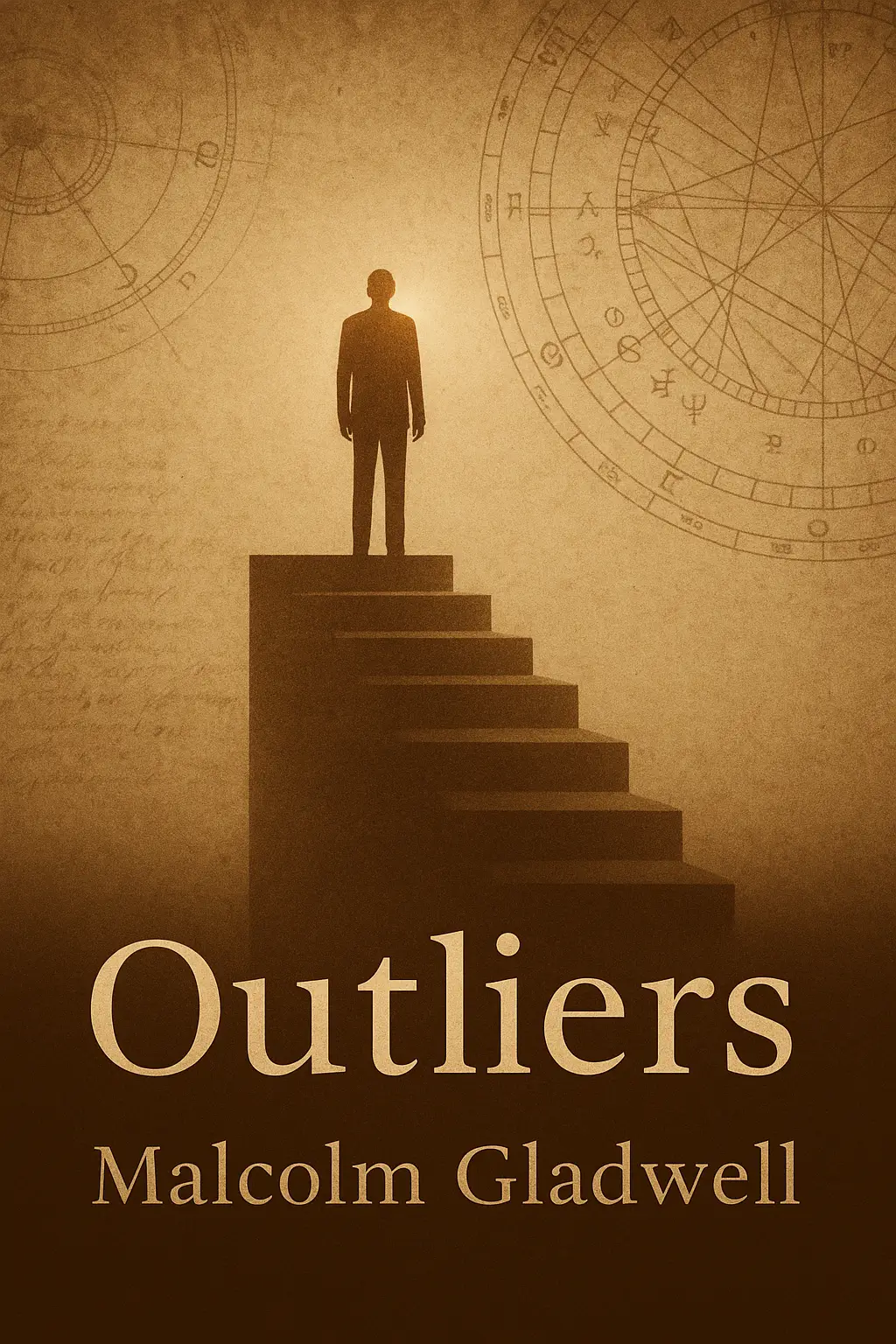
Outliers: Malcolm Gladwell and the Hidden Patterns of Success
Malcolm Gladwell’s Outliers: The Story of Success (2008) challenges conventional wisdom about achievement. Instead of attributing success solely to talent or hard work, Gladwell argues that opportunity, timing, culture, and environment are decisive factors. His famous “10,000-Hour Rule” illustrates how mastery emerges from sustained practice, but he balances this with stories of hidden advantages—from birth…
-
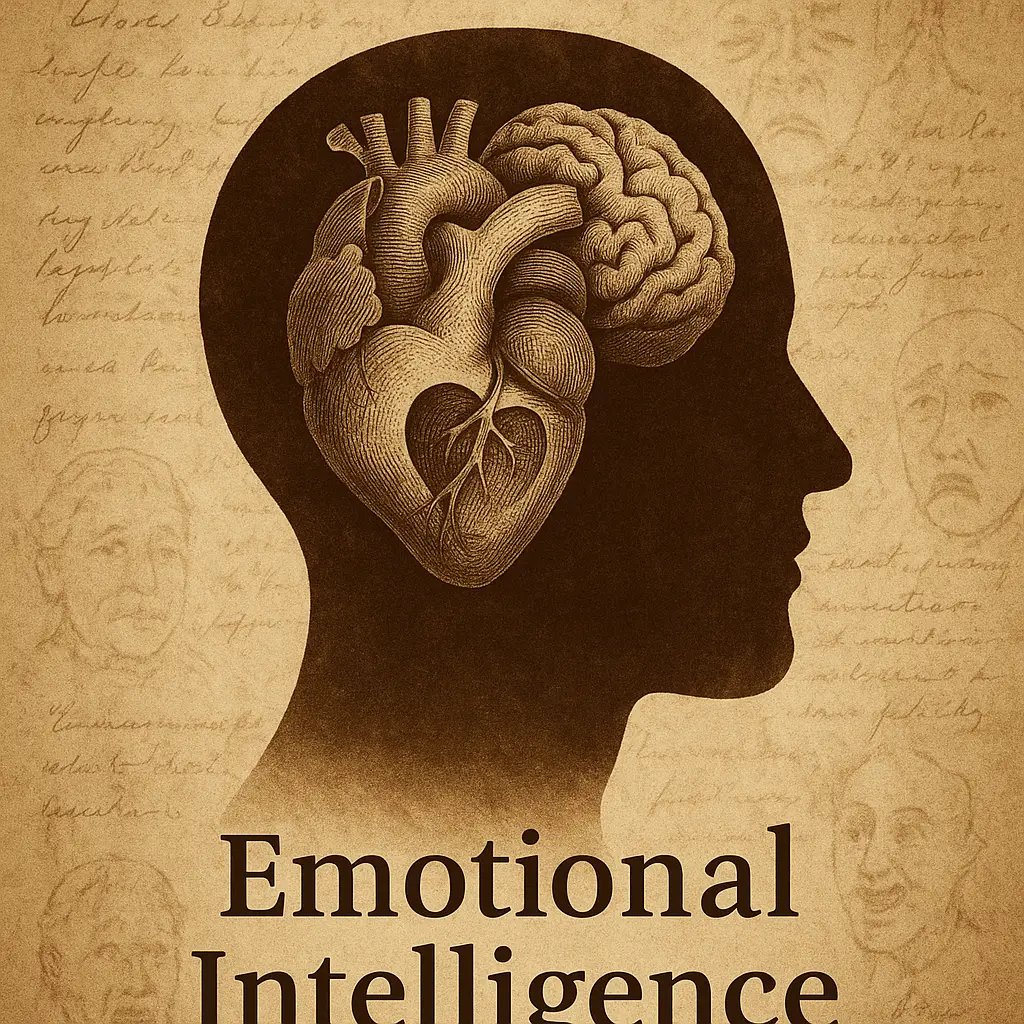
Emotional Intelligence: Daniel Goleman’s Revolution in Human Success
Daniel Goleman’s Emotional Intelligence (1995) reshaped how the world understands success. At a time when IQ and technical skills dominated the conversation, Goleman introduced a groundbreaking thesis: emotional intelligence—self-awareness, self-regulation, empathy, motivation, and social skills—matters more than raw intellect. Drawing on psychology and neuroscience, he demonstrated how EQ drives leadership, relationships, and resilience. His message…
-
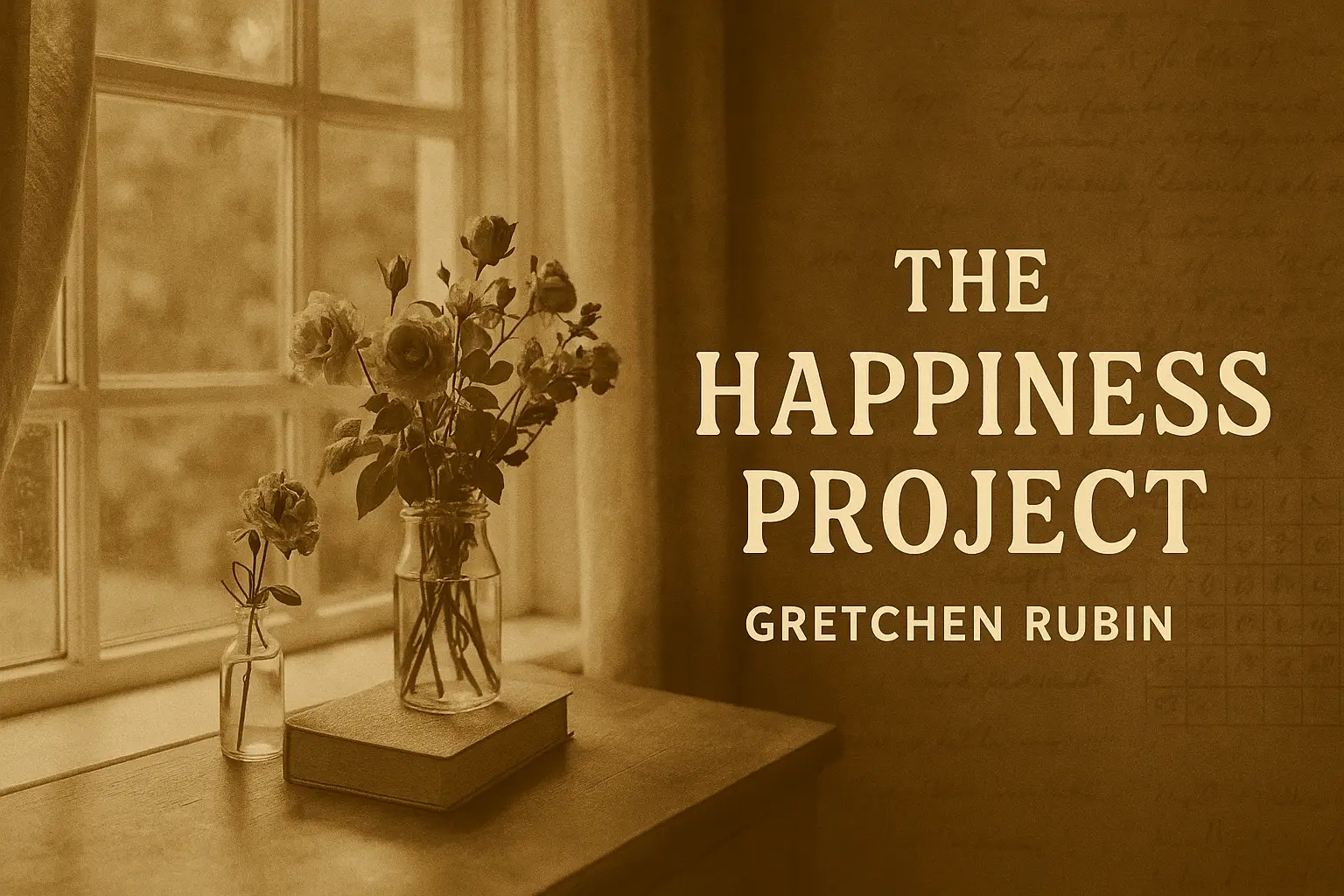
The Happiness Project: Gretchen Rubin’s Guide to Joy in Daily Life
Gretchen Rubin’s The Happiness Project (2009) is part memoir, part self-help experiment, documenting a year she dedicated to pursuing happiness through small, intentional changes. Instead of seeking dramatic transformations, Rubin explores how gratitude, decluttering, exercise, and meaningful relationships shape well-being. Her approach is practical: happiness is not found in grand achievements but in everyday habits…
-
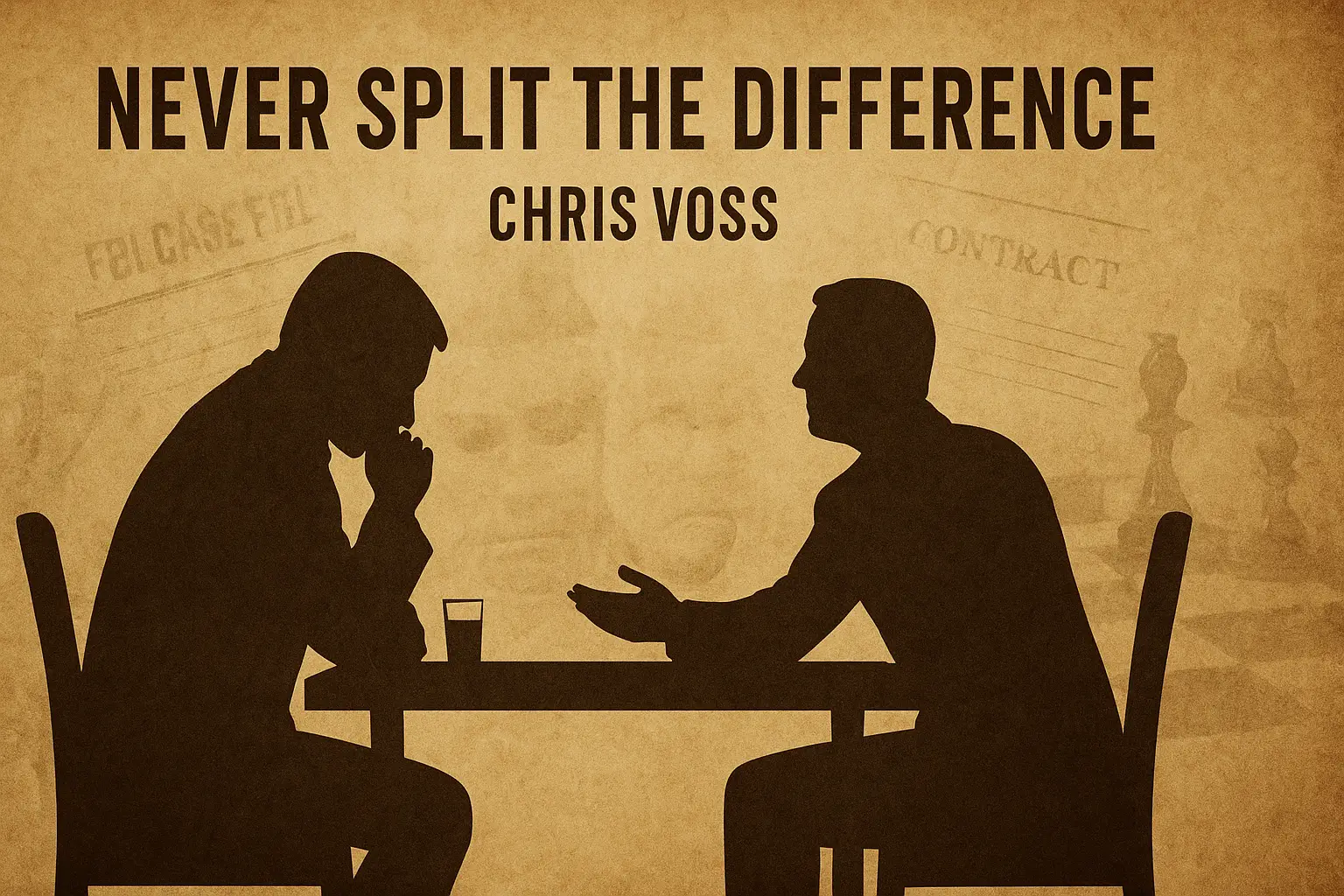
Never Split the Difference: Chris Voss on Negotiation as Survival
Chris Voss’s Never Split the Difference (2016) is a groundbreaking book on negotiation, rooted in his career as the FBI’s lead international hostage negotiator. Unlike traditional negotiation manuals that emphasize compromise, Voss argues that compromise often means losing. Instead, he teaches tactical empathy, calibrated questions, mirroring, and psychological insights that turn negotiations into opportunities for…
-
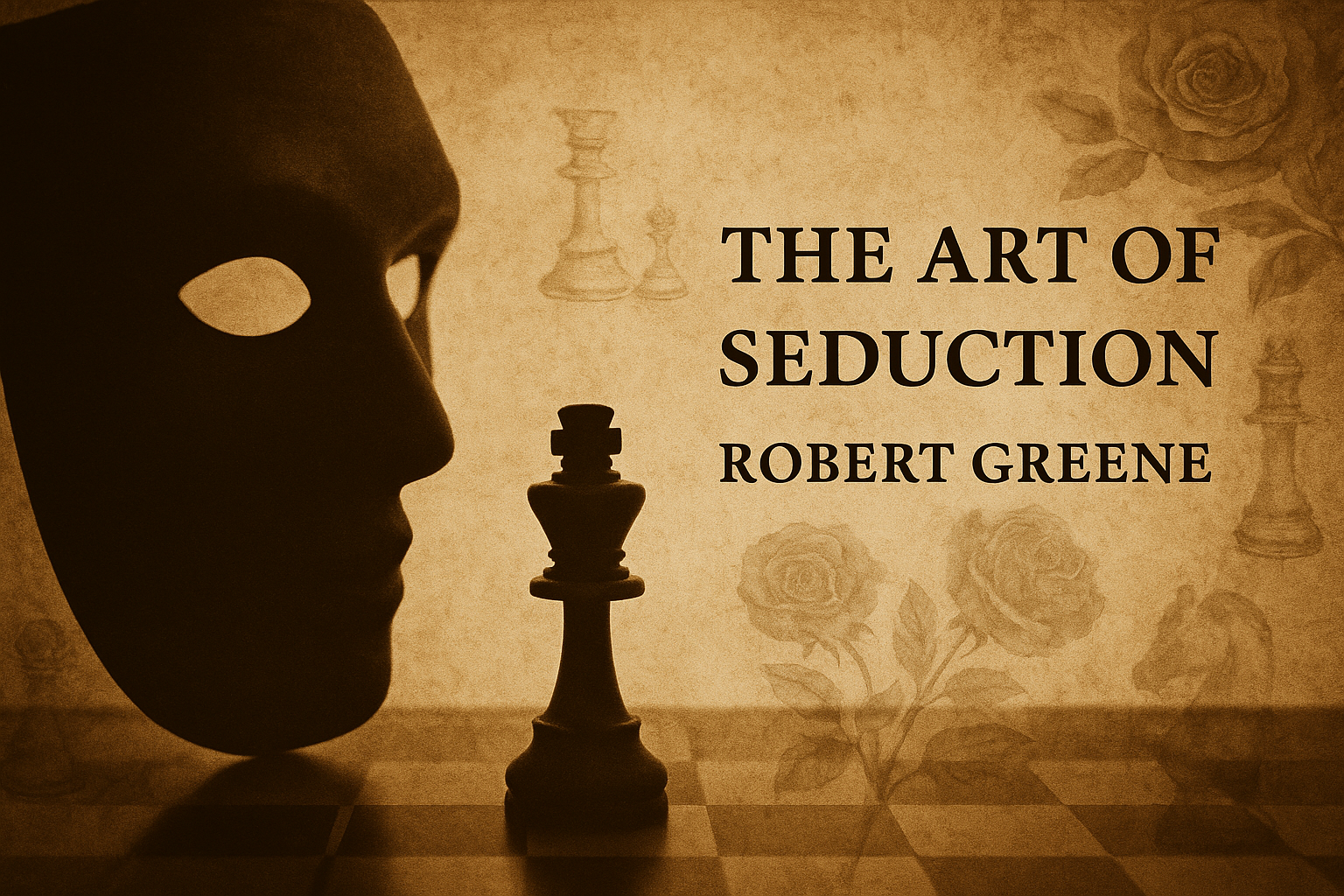
The Art of Seduction: Robert Greene on Desire and Influence
Robert Greene’s The Art of Seduction is a provocative exploration of influence, attraction, and manipulation. Through historical examples ranging from Cleopatra to Casanova, Greene maps out archetypes of seduction and the strategies they employ. His thesis is stark: seduction is not limited to romance—it permeates politics, business, and culture. Leaders, marketers, and revolutionaries alike have…