
Category: Security Studies
-
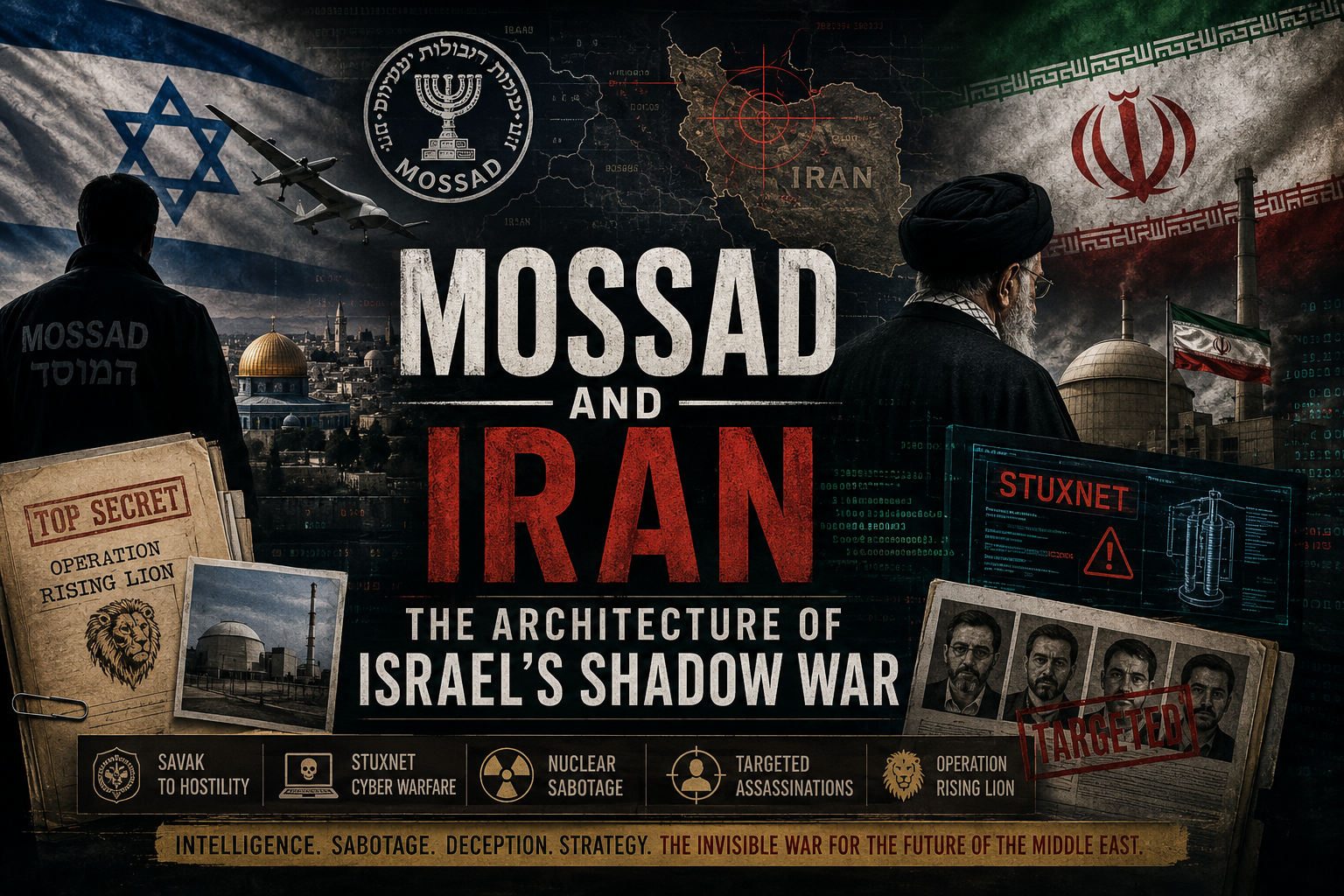
Sovereign Shadows: The Architecture of Mossad’s Operation Inside Iran, from the Age of SAVAK to the Ruins of Natanz
This essay examines the Israel-Iran shadow war as one of the most complex intelligence conflicts in modern Middle Eastern history. Beginning with the covert relationship between Mossad and SAVAK under the Shah, the conflict evolved into a long campaign involving Stuxnet, nuclear sabotage, scientist assassinations, the theft of Iran’s nuclear archive, human intelligence networks, and…
-

Terrorism in Southeast Asia: Networks, Field Research, and New Updates 2025
This article explores the evolution of terrorism in Southeast Asia through field research, from Jemaah Islamiyyah and Abu Sayyaf to Southern Thailand. Updated with 2025 data, it highlights new developments, intelligence dilemmas, and ongoing security challenges across the region.
-

Indonesia’s Anarchic Protest Wave: Security & Strategic Analysis, Triggers, Actors, and Policy Fallout
Indonesia’s late August 2025 protests, sparked by a controversial Rp50 million monthly housing allowance for parliament members, spiraled into the country’s most violent unrest in decades. Demonstrations spread from Jakarta to more than a dozen cities, with parliament buildings burned, police clashes, and at least five fatalities reported. The death of Affan Kurniawan, a young…
-

The Architect and the Figurant: Intelligence, National Interest, and the Grammar of Strategic Power
This essay examines intelligence as the hidden architecture of strategic power. It argues that intelligence is not merely a technical apparatus for collecting secrets, but the sovereign mechanism through which a state defines national interest, reads threats, anticipates crises, and shapes geopolitical reality. Through the cases of the United States, China, Russia, Israel, Singapore, and…
-
The Intelligence Dilemma in Indonesia: Between Security and Strategy
This essay explores the structural weaknesses of Indonesia’s intelligence system — from the imbalance between security and strategic intelligence to the legacy of regime-oriented intelligence inherited from the New Order. It argues that Indonesia must redefine uncertainty and transform intelligence into a tool of national foresight, not political preservation.
-
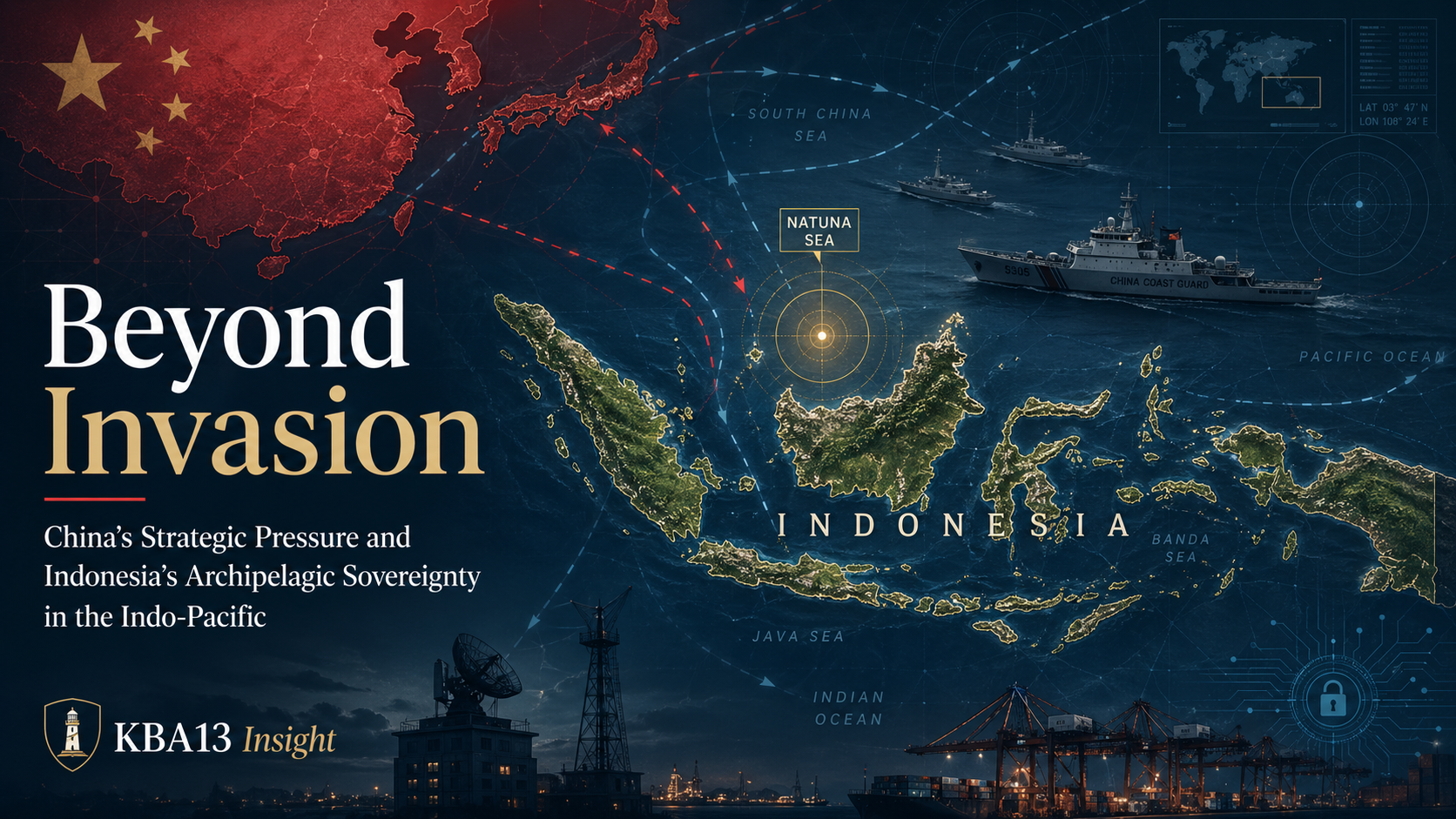
Indonesia, China, and the Architecture of Strategic Pressure in the Indo-Pacific: A Geopolitical Analysis of Maritime Sovereignty, Gray-Zone Pressure, Economic Dependency, and Archipelagic Deterrence
China is unlikely to invade Indonesia directly. The cost would be too high, the geography too complex, and the diplomatic consequences too severe. Yet Indonesia must not be complacent. The real threat may come through silent pressure: gray-zone operations near Natuna, maritime intimidation, economic dependency, cyber vulnerability, infrastructure leverage, strategic minerals, data control, and elite…