
Tag: Belt and Road Initiative
-

China’s Economic Statecraft in ASEAN: Trade, BRI, and Strategic Leverage
China’s economic engagement with ASEAN has evolved into a sophisticated system of strategic leverage. Trade dominance, infrastructure expansion through the Belt and Road Initiative, currency maneuvering, and diaspora networks collectively form Beijing’s economic statecraft toolkit. While ASEAN benefits from market access and infrastructure financing, structural asymmetry creates vulnerabilities. This article examines the geopolitical implications of…
-
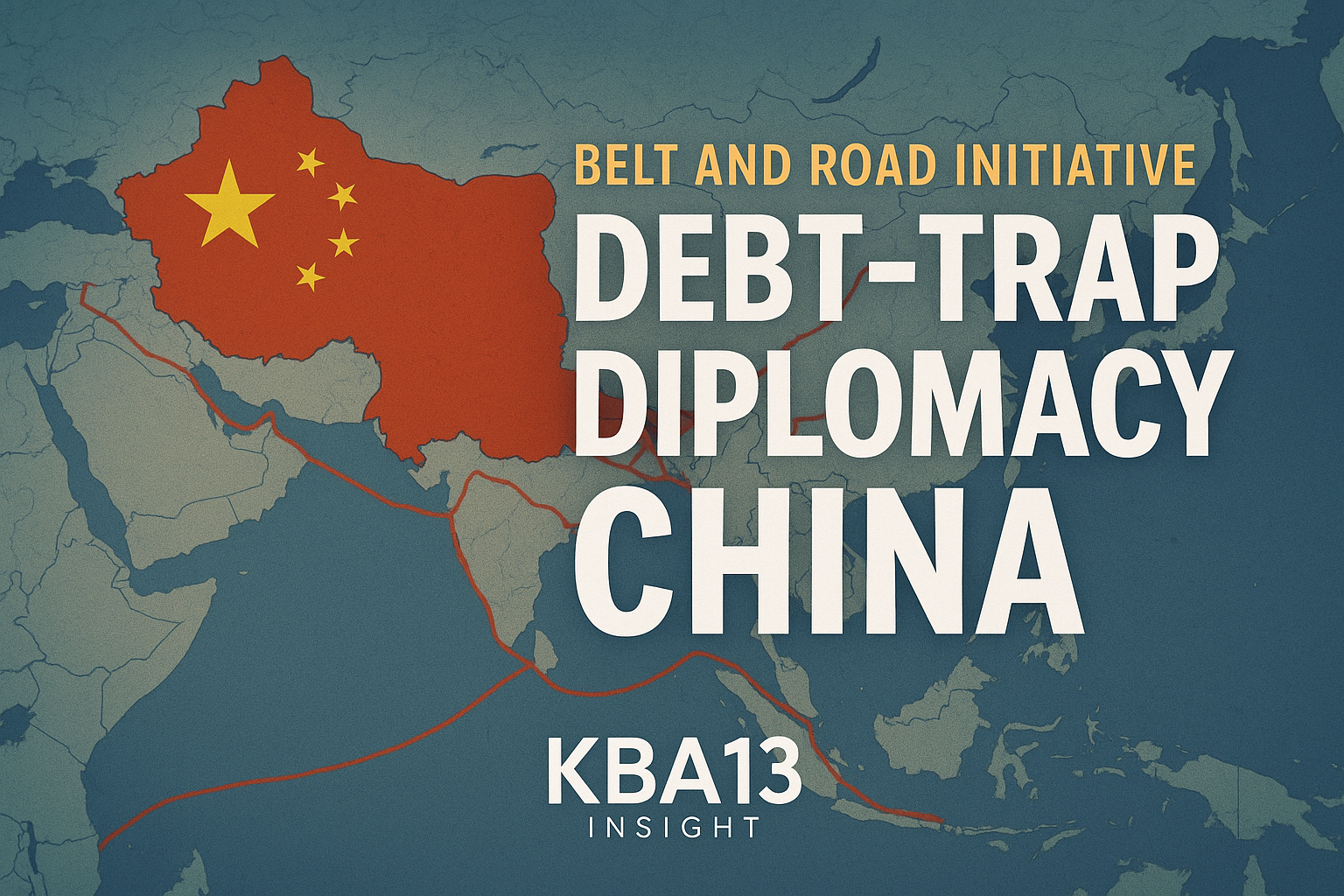
China dan Strategi Debt-Trap Diplomacy: Ekonomi sebagai Senjata Geopolitik Abad ke-21
China menggunakan kekuatan ekonominya bukan hanya untuk membangun infrastruktur global, tetapi juga untuk membentuk arsitektur geopolitik baru. Melalui skema yang disebut debt-trap diplomacy, pinjaman luar negeri menjadi instrumen strategis untuk mengamankan aset vital, mempengaruhi keputusan politik, dan memperluas pengaruh Beijing. Artikel ini mengurai dinamika ekonomi–keamanan di balik ekspansi global China dan risiko bagi negara yang…
-
US–China Trade Tensions and Indonesia’s Strategy under Prabowo Subianto
The escalating trade tensions between the United States and China are reshaping global politics and economics. For Indonesia under President Prabowo Subianto, this rivalry presents both risks and opportunities. This article explores how Prabowo’s sovereignty-driven vision seeks to balance economic growth, military strength, and diplomatic independence in the face of a new Cold War dynamic…
-
China’s Debt Dilemma and Its Global Consequences
Introduction The rise of China has been one of the defining stories of the 21st century. After a relatively closed economy in the late 1970s, China has emerged as the world’s second-largest economy and a formidable global actor. Many have hailed its growth model—driven by manufacturing, exports, and increasingly by digital innovation—as a miracle. Yet…
-
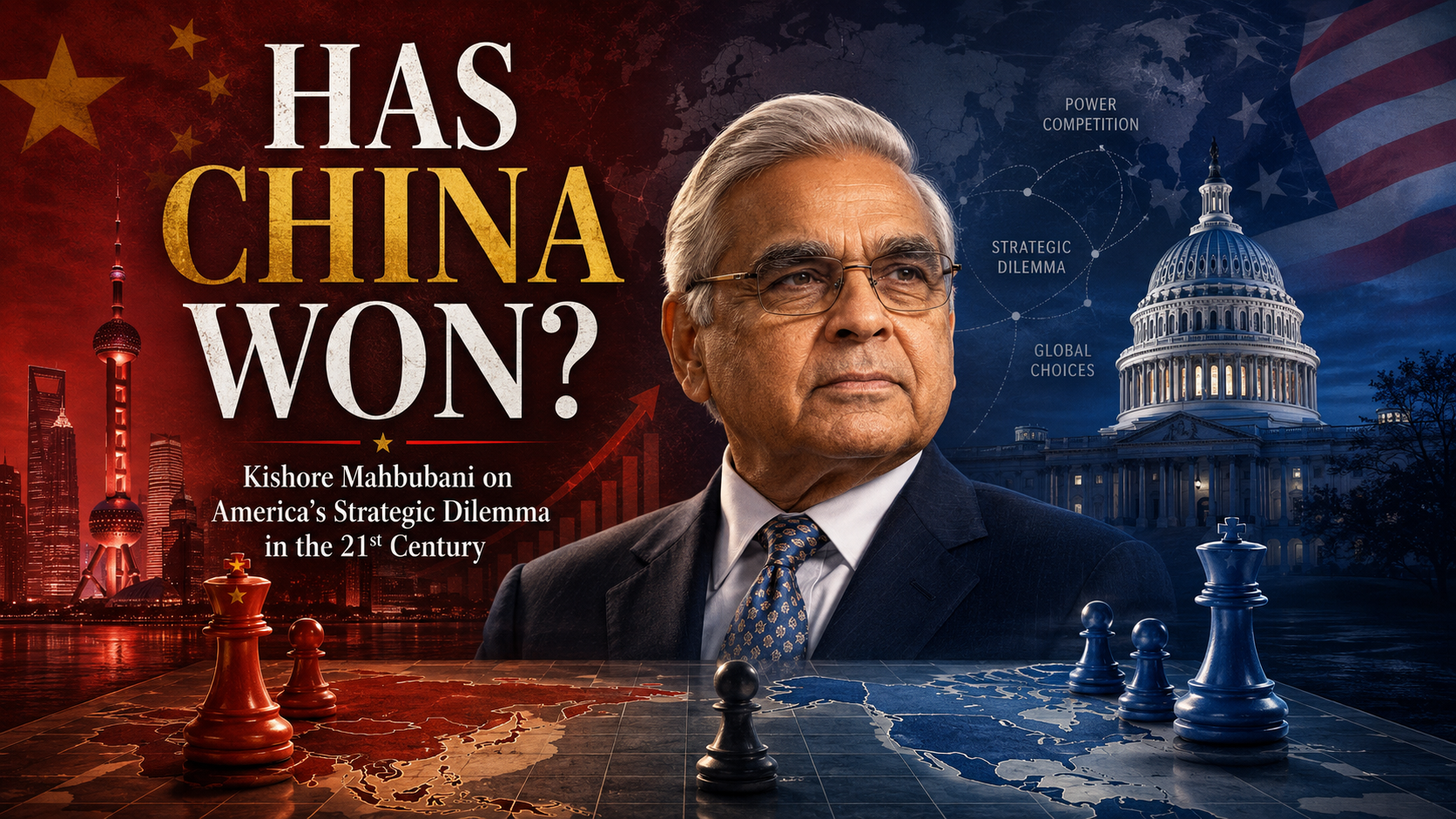
Has China Won? Kishore Mahbubani on America’s Strategic Dilemma in the 21st Century
Kishore Mahbubani’s Has China Won? opens with a bold provocation: can America truly lose to China? Drawing lessons from history, Mahbubani argues that the United States risks misreading China by framing it as merely a communist adversary, rather than a civilization-state playing the long game of wei qi. With American soft power in decline and…
-
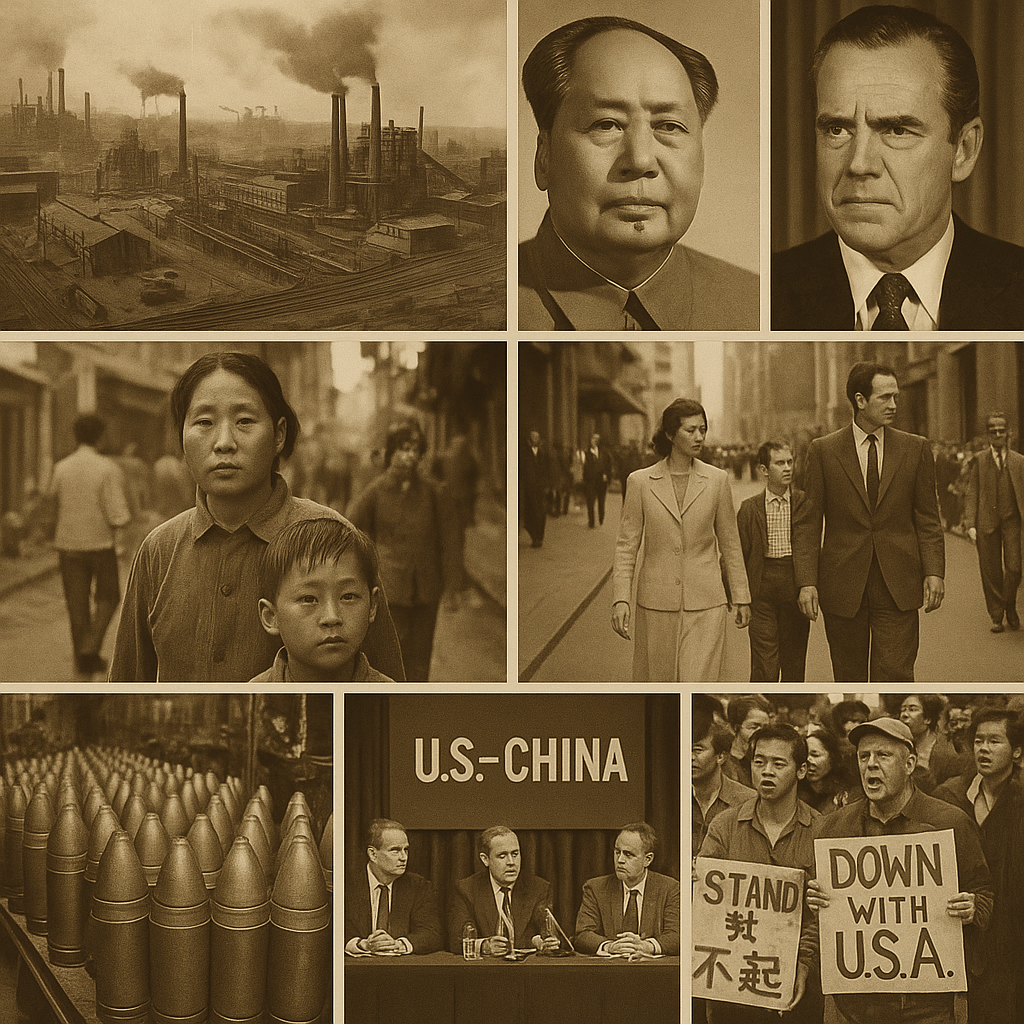
China vs Amerika Serikat: Rivalitas Geopolitik dan Arah Tatanan Dunia Baru 2025
Kebangkitan China sebagai kekuatan global menantang dominasi Amerika Serikat dalam tatanan dunia pasca-Perang Dingin. Washington yang selama ini tampil sebagai world police menghadapi dilema besar ketika Beijing memperkuat pengaruh melalui diplomasi ekonomi, teknologi, dan strategi geopolitik. Rivalitas ini tidak hanya berdampak pada perang dagang, tetapi juga memengaruhi keamanan Indo-Pasifik, multipolaritas global, dan masa depan negara-negara…
-
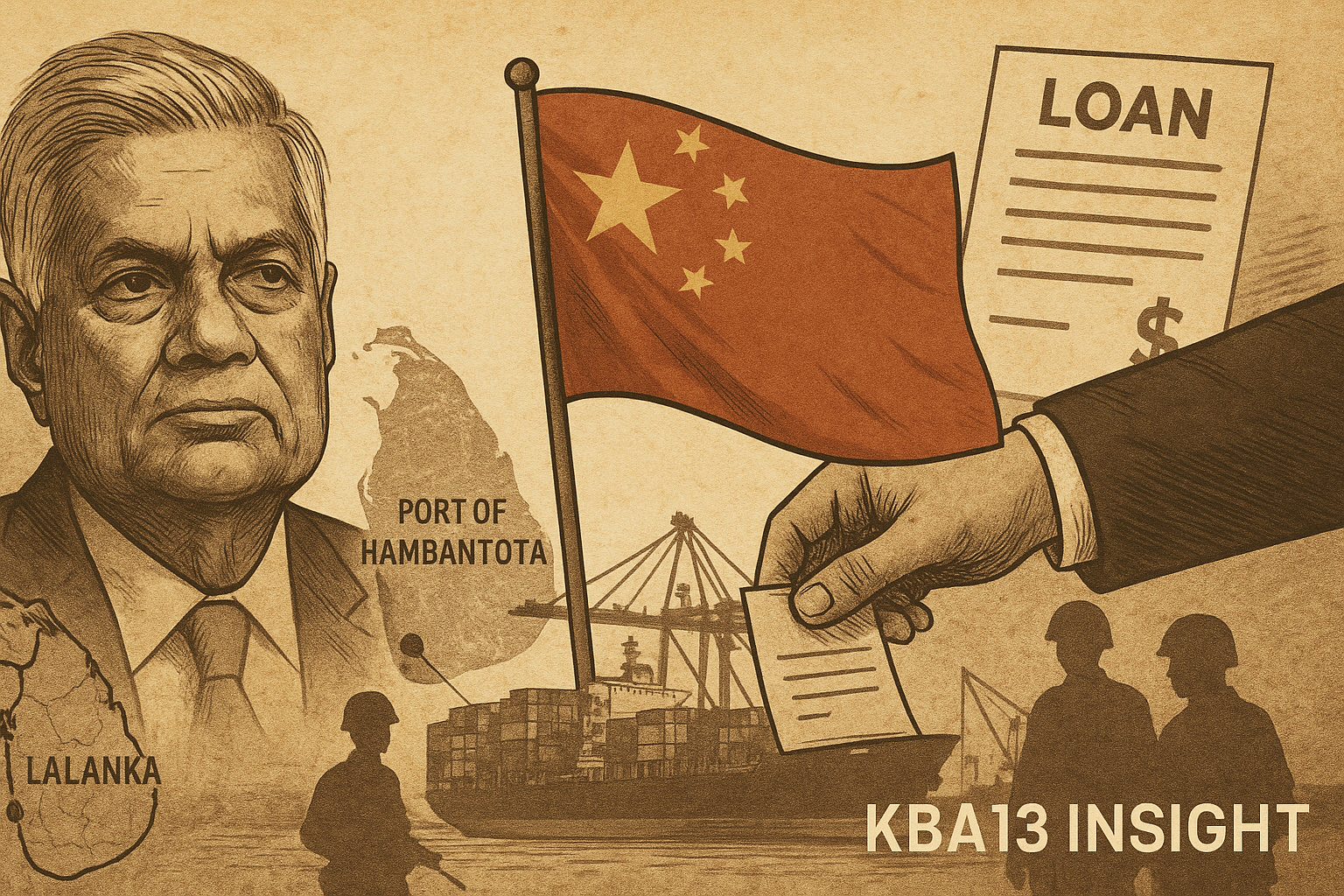
Hambantota: Strategi Tiongkok di Sri Lanka dan Dampaknya bagi Geopolitik Asia Selatan
Pendahuluan : Hambantota dan Geometri Kekuasaan Asia Selatan Ada satu prinsip yang tak pernah lekang: kendali atas jalur logistik berarti kendali atas denyut nadi kekuasaan. Di Samudera Hindia, prinsip ini menemukan manifestasi terbarunya di Pelabuhan Hambantota, Sri Lanka. Perjanjian terbaru antara Colombo dan Beijing pada Juni 2025—yang mengukuhkan keterlibatan modal, teknologi, dan pengaruh Tiongkok di…
-
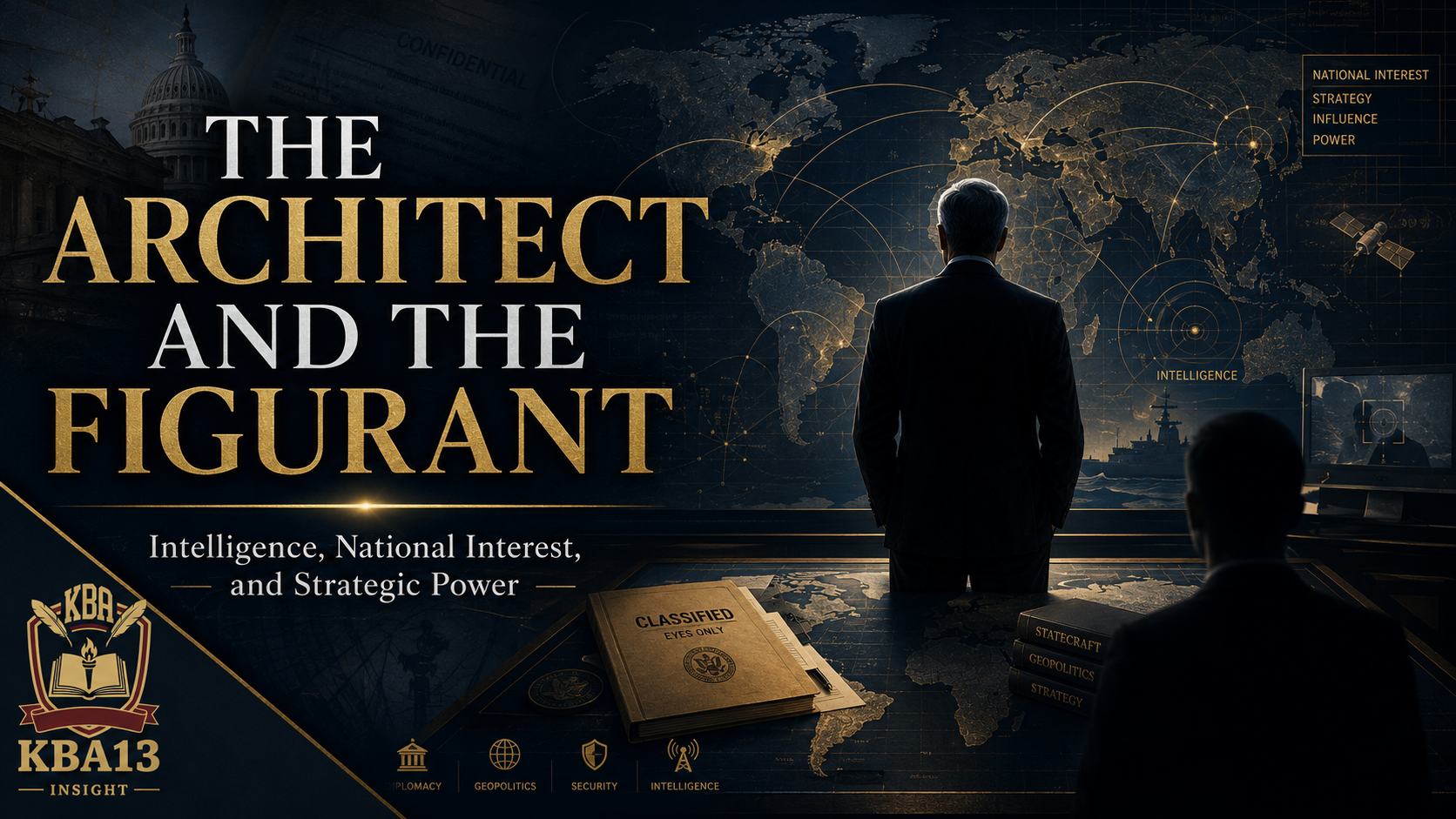
The Architect and the Figurant: Intelligence, National Interest, and the Grammar of Strategic Power
This essay examines intelligence as the hidden architecture of strategic power. It argues that intelligence is not merely a technical apparatus for collecting secrets, but the sovereign mechanism through which a state defines national interest, reads threats, anticipates crises, and shapes geopolitical reality. Through the cases of the United States, China, Russia, Israel, Singapore, and…
-
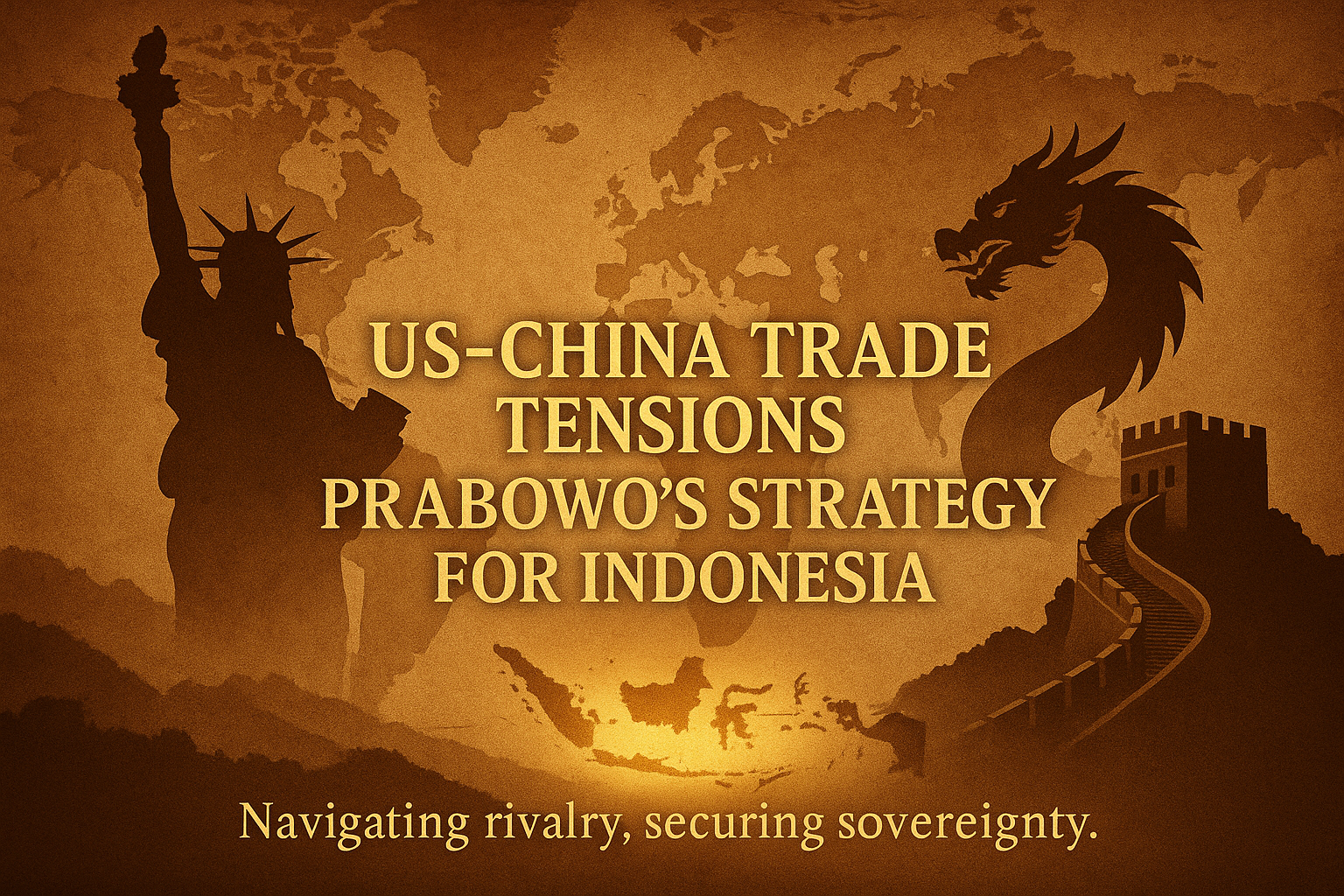
US–China Trade Tensions and Indonesia’s Strategy under Prabowo Subianto
The escalating trade tensions between the United States and China are reshaping global politics and economics. For Indonesia under President Prabowo Subianto, this rivalry presents both risks and opportunities. This article explores how Prabowo’s sovereignty-driven vision seeks to balance economic growth, military strength, and diplomatic independence in the face of a new Cold War dynamic…