
Tag: Southeast Asia
-
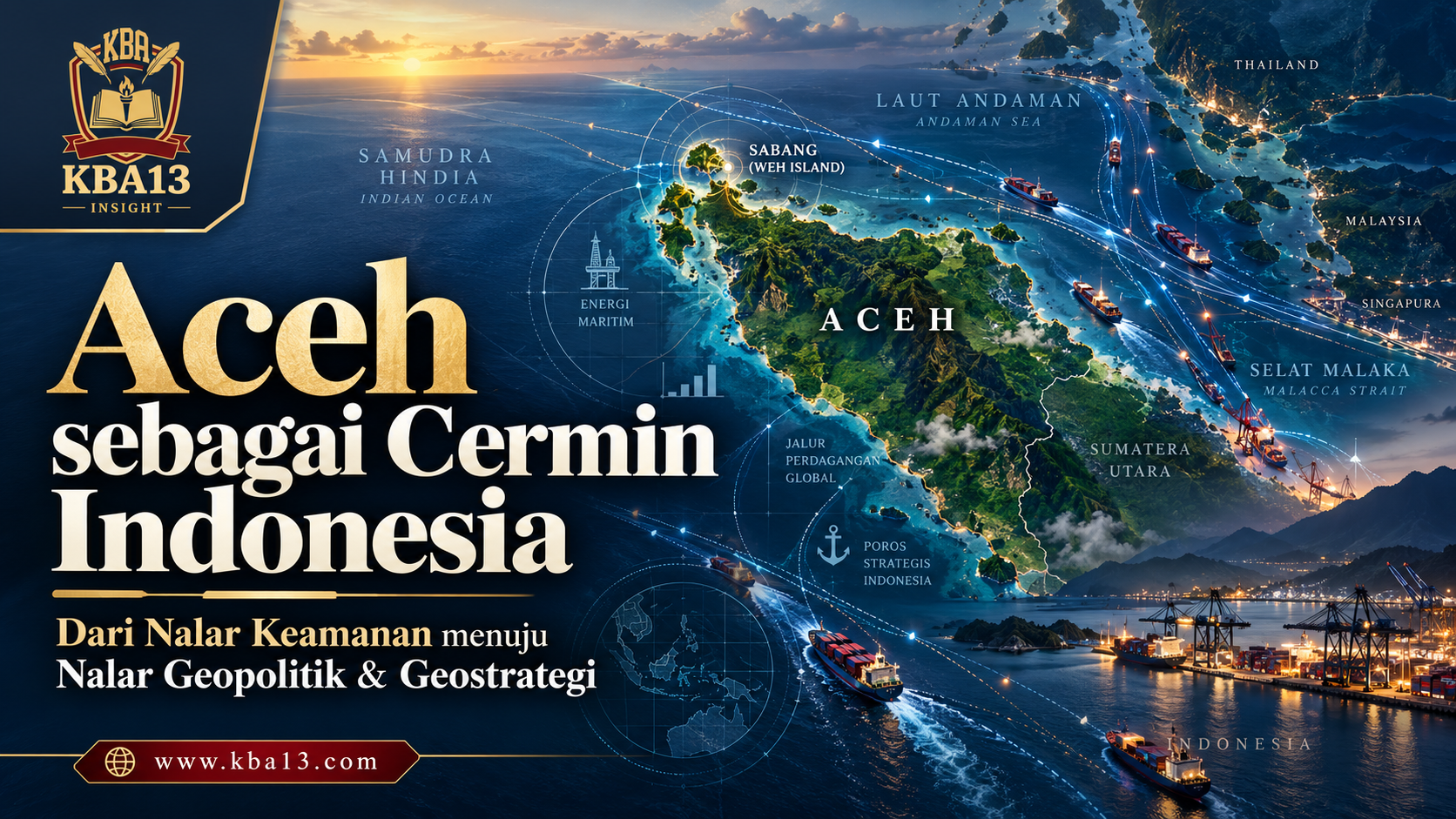
Aceh sebagai Cermin Indonesia: Dari Nalar Keamanan menuju Nalar Geopolitik dan Geostrategi
Aceh selama puluhan tahun lebih sering dibaca melalui lensa keamanan, konflik, dan hubungan Jakarta dengan eksponen Gerakan Aceh Merdeka. Artikel ini menawarkan lensa yang berbeda. Posisi Aceh di mulut Selat Malaka, Laut Andaman, dan Samudra Hindia menempatkan wilayah tersebut dalam ruang geopolitik yang jauh lebih luas: persaingan Indo-Pasifik, konektivitas Asia Tenggara, energi Laut Andaman, Sabang,…
-
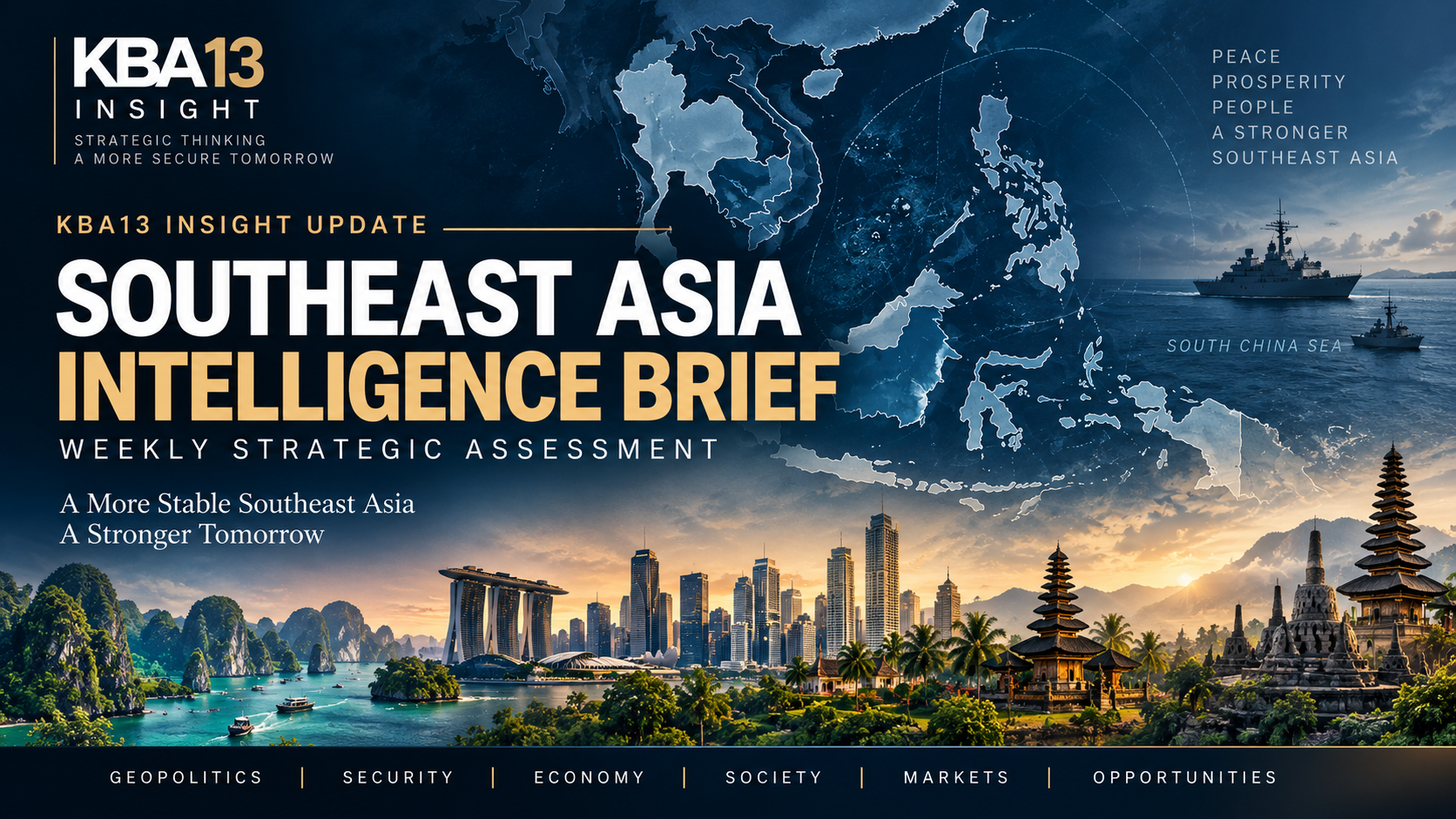
Southeast Asia Intelligence Brief: ASEAN, Myanmar & South China Sea
KBA13 Insight’s weekly intelligence briefing assesses Southeast Asia’s strategic landscape for 25–31 August 2026. This edition examines ASEAN institutional dynamics, Myanmar’s intensifying civil war, political turbulence in the Philippines, Indonesia’s economic and strategic trajectory, rising South China Sea tensions, the fragile Thailand-Cambodia ceasefire, and the region’s evolving economic outlook. It also identifies critical indicators to…
-
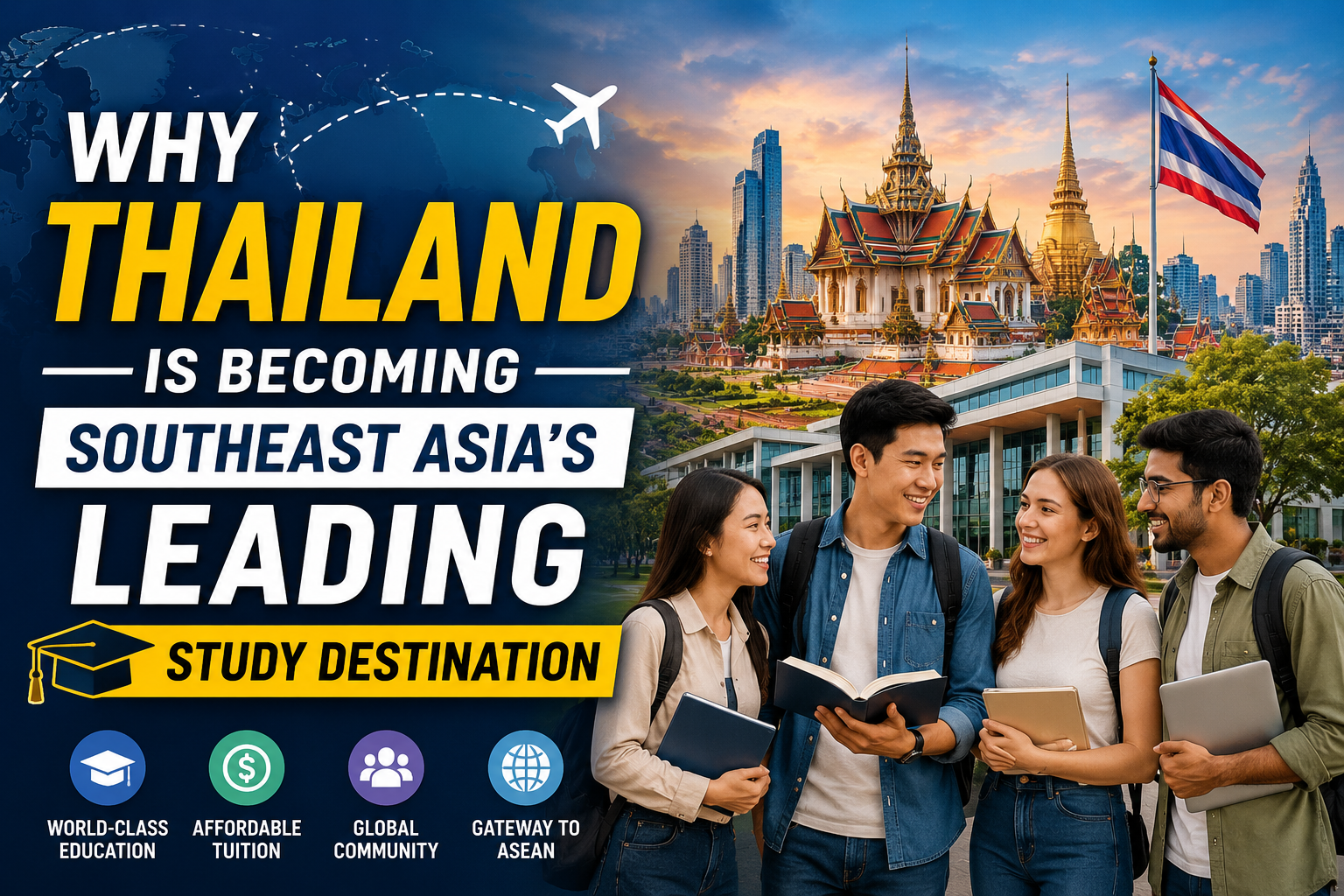
Why Thailand Is Becoming Southeast Asia’s Leading Study Destination
Thailand has rapidly transformed into one of Southeast Asia’s most competitive destinations for international higher education. Combining internationally recognised universities, affordable tuition, strong research ecosystems, multicultural campuses, and strategic regional connectivity, Thailand is redefining the future of global education.
-
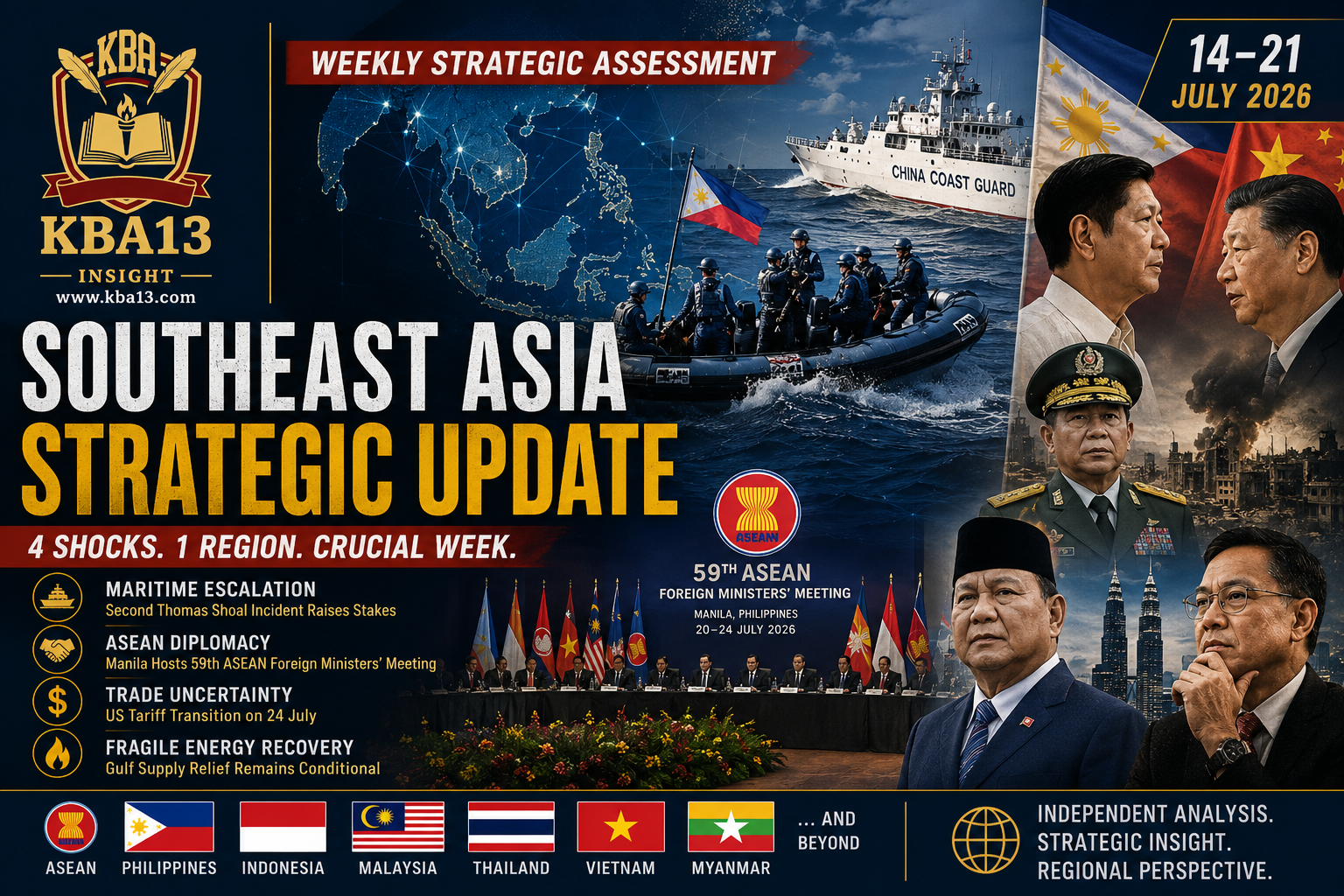
Southeast Asia Strategic Update: ASEAN, South China Sea, Myanmar, Trade and Regional Risks, 14–21 July 2026
Southeast Asia enters the final week of July 2026 under simultaneous diplomatic, maritime, economic and political pressure. ASEAN foreign ministers are gathering in Manila as tensions intensify near Second Thomas Shoal, negotiations over the South China Sea Code of Conduct miss their expected deadline, and uncertainty surrounds the future of United States tariffs affecting regional…
-
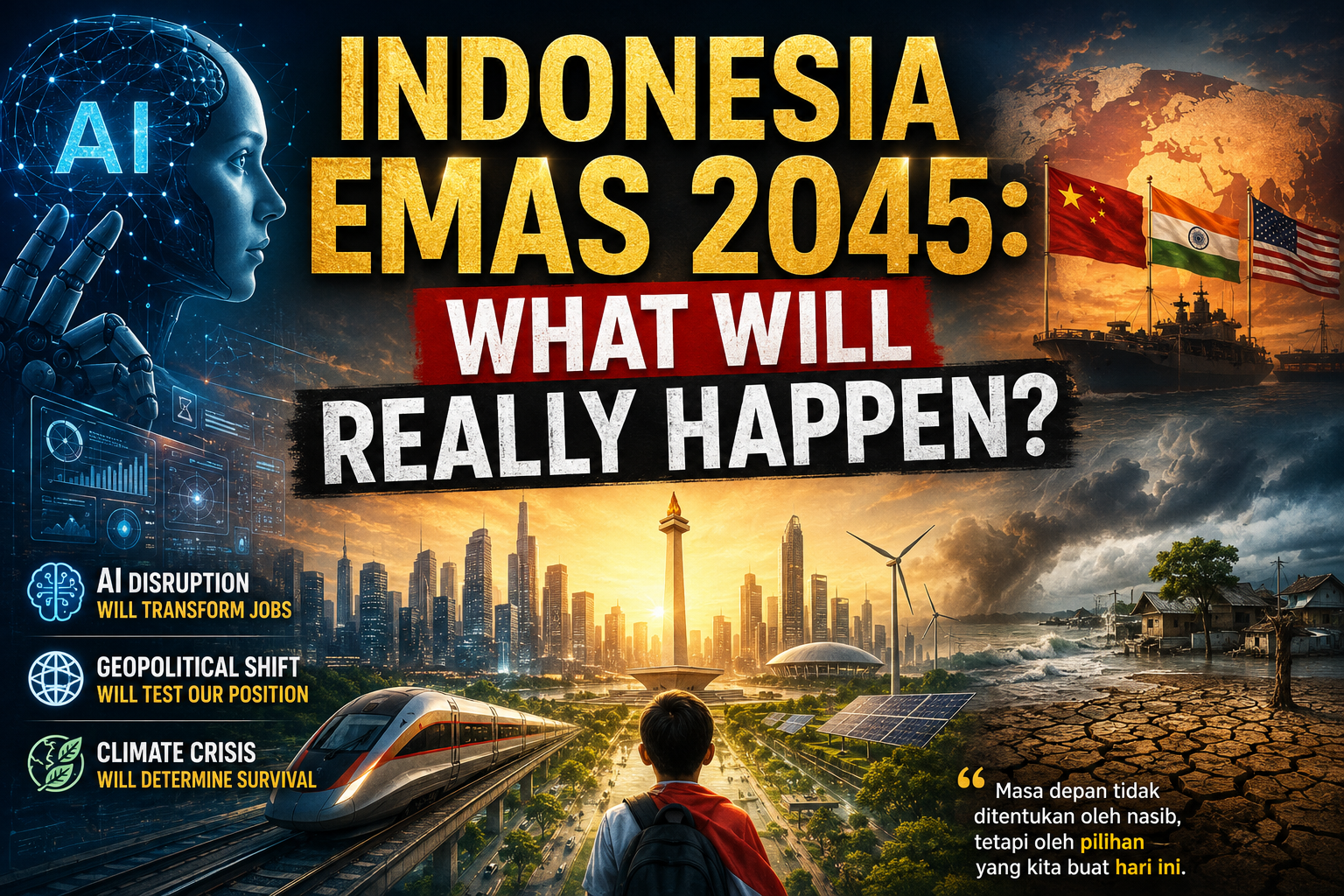
Indonesia Emas 2045: What Will Really Happen?
Can Indonesia truly become a developed nation by 2045, or is the vision merely an optimistic political narrative? This essay critically examines Indonesia Emas 2045 beyond official planning documents and economic projections. Rather than accepting optimistic assumptions, it explores the profound structural forces already reshaping the twenty-first century: artificial intelligence, geopolitical competition, demographic transformation, and…
-

Understanding Islam Beyond Stereotypes: Compassion, Community, and a Buddhist Scholar’s Experience
Islam is often understood through political conflict or theological debate. This essay offers a different perspective. Based on decades of friendship with Muslim families in Thailand, Dr. Uthai Dulyakasem reflects on Islam through compassion, hospitality, community, and peaceful coexistence. Rather than discussing doctrine, this essay explores how ordinary human relationships provide a deeper understanding of…
-
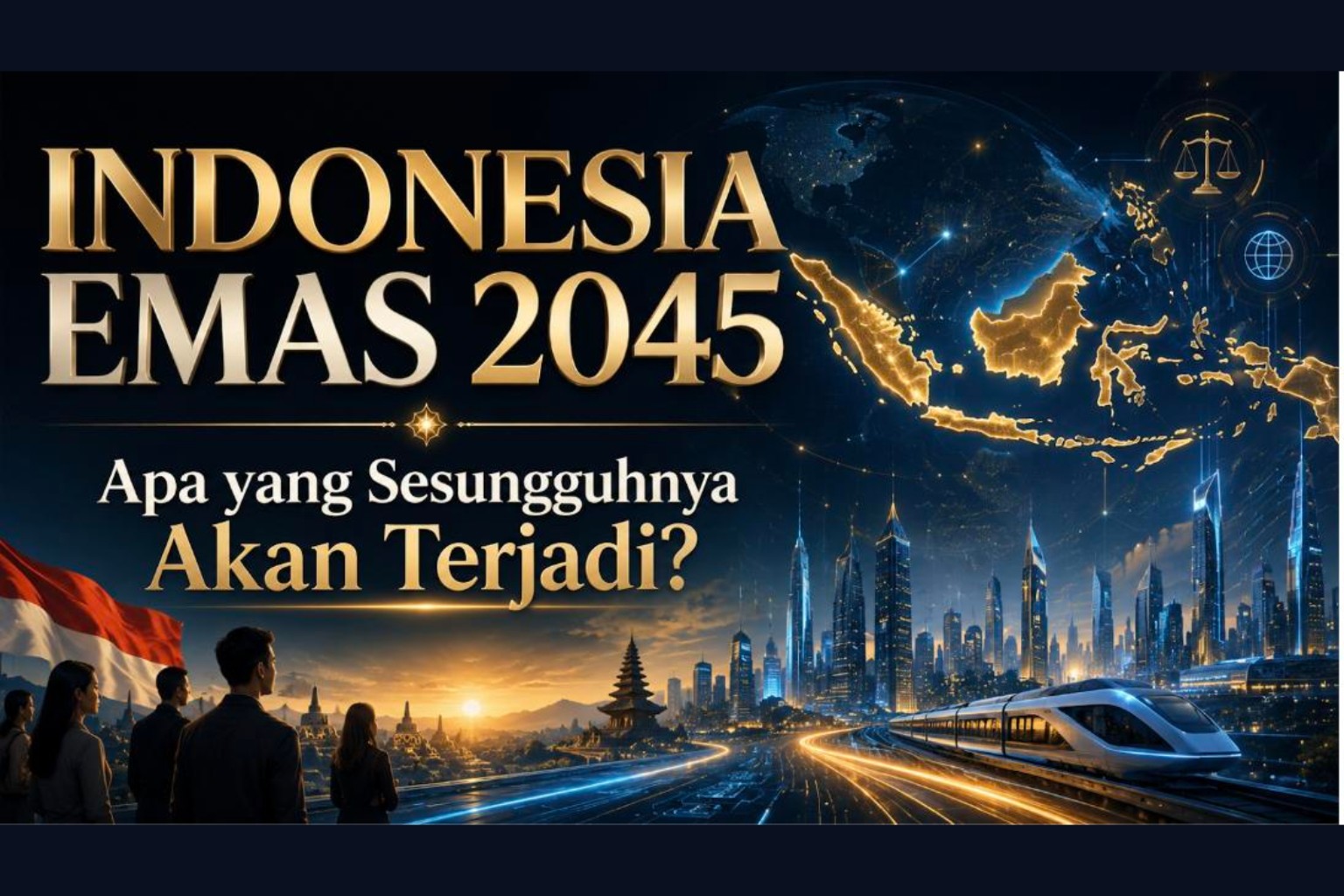
Golden Indonesia 2045: What Will Really Happen?
AI, geopolitics, climate, and identity will decide Indonesia’s fate in 2045. Beyond the official optimism, what will really happen to the generation that inherits the Golden Indonesia dream?
-
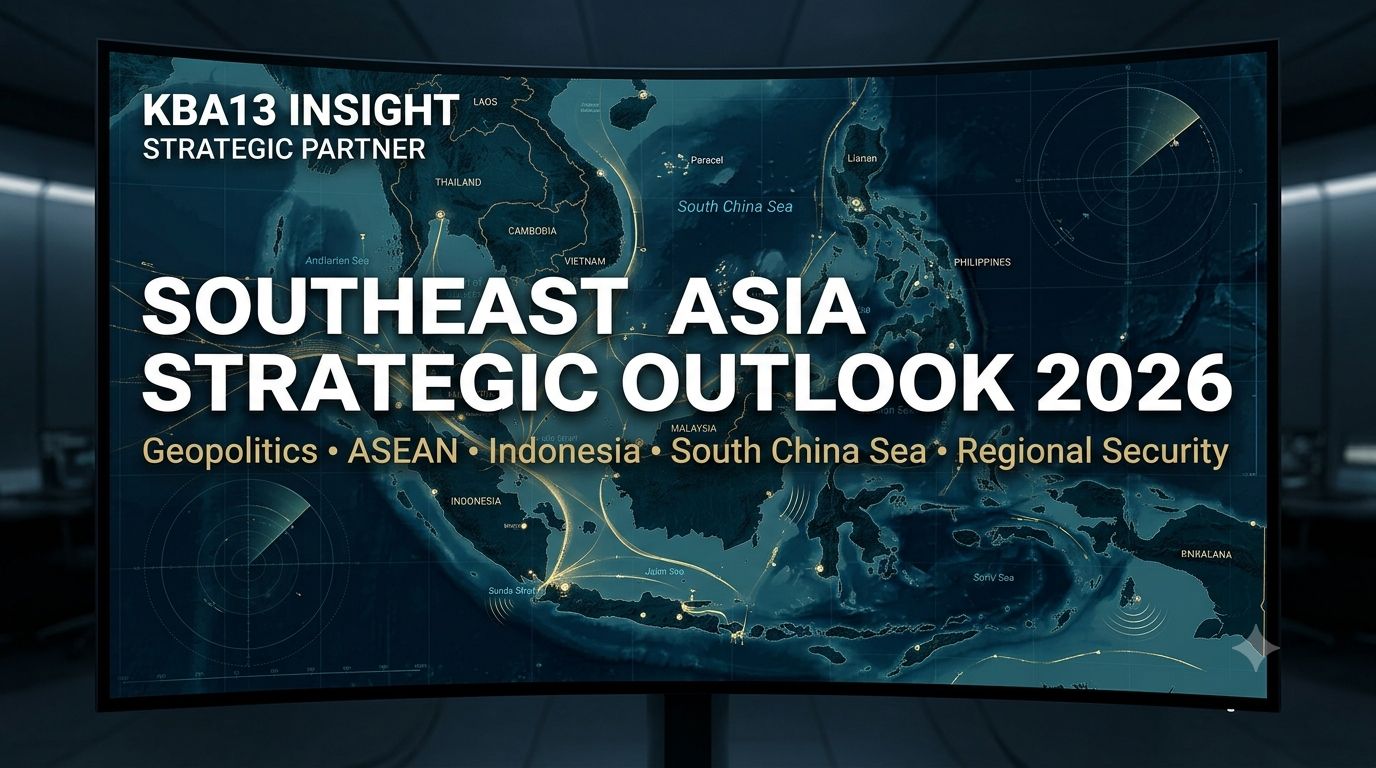
Southeast Asia Strategic Outlook 2026: Geopolitics, ASEAN, Indonesia, South China Sea, and Regional Security
Southeast Asia enters the second half of 2026 amid intensifying geopolitical competition, economic uncertainty, and mounting security challenges. ASEAN faces simultaneous pressure from the stalled South China Sea Code of Conduct negotiations, the unresolved Myanmar crisis, and the accelerating race for digital and artificial intelligence leadership. Indonesia confronts growing market concerns over fiscal policy, currency…
-
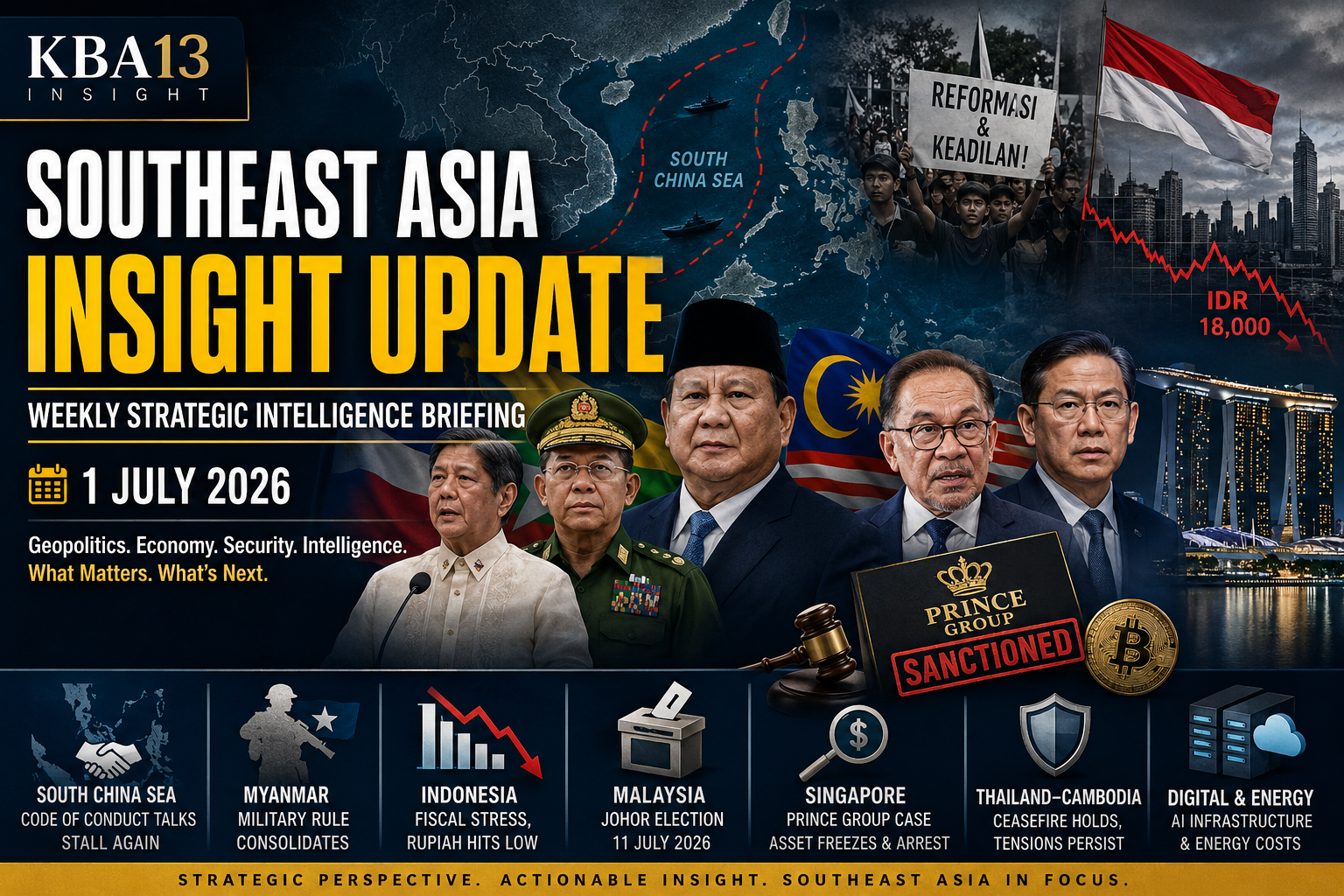
Southeast Asia Strategic Intelligence Update July 2026: Indonesia, Myanmar, South China Sea, and ASEAN Under Pressure
Southeast Asia enters the second half of 2026 under the weight of overlapping geopolitical and economic pressures. Negotiations over the South China Sea Code of Conduct remain stalled despite Philippine efforts to accelerate an agreement before the end of its ASEAN chairmanship. Myanmar’s military-led political transition has formalized without ending the country’s civil war, while…